
How Are Fishing Bags Becoming More Sustainable?
As environmental awareness grows across the outdoor industry, anglers are paying closer attention to how fishing equipment is made, used, and discarded. This trend is influencing the design of fishing bags, with manufacturers increasingly exploring durable materials, longer product lifecycles, and more efficient production methods. Sustainability is no longer limited to packaging; it is becoming part of how a modern fishing tackle bag is designed and manufactured.
Durable Materials Reduce Replacement
One practical approach to sustainability is improving product durability. A well-designed fishing tackle bag can withstand repeated outdoor use, reducing the need for frequent replacement. Reinforced stitching, abrasion-resistant fabrics, strong zippers, and carefully designed load-bearing areas can extend service life. For anglers who regularly fish in demanding environments, durable fishing bags can provide long-term value while helping reduce the amount of discarded gear. Instead of focusing only on low initial cost, buyers are increasingly considering whether a bag can remain functional through multiple fishing seasons.
Smarter Materials for Fly Fishing
Material selection is particularly important for specialized products. Modern fly fishing bags are being developed with lightweight yet resilient fabrics that balance carrying comfort with durability. Some manufacturers are also investigating recycled synthetic fibers and materials that can be more efficiently processed at the end of their usable life.
The goal is not simply to replace every conventional material immediately. A more practical approach is to evaluate performance, longevity, maintenance requirements, and environmental impact together. For fly fishing bags, this balance is especially valuable because anglers often carry them over long distances and expect reliable performance.
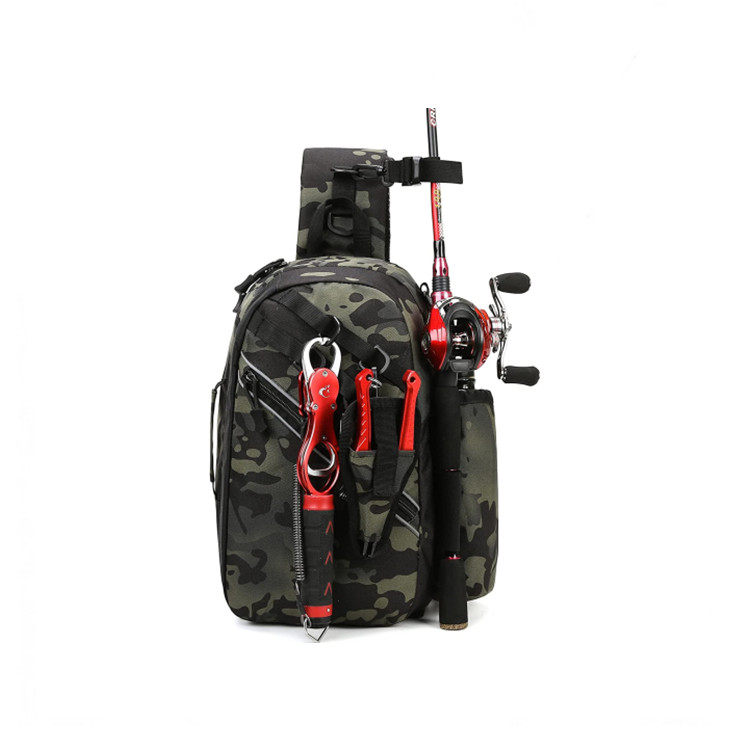
fishing bags
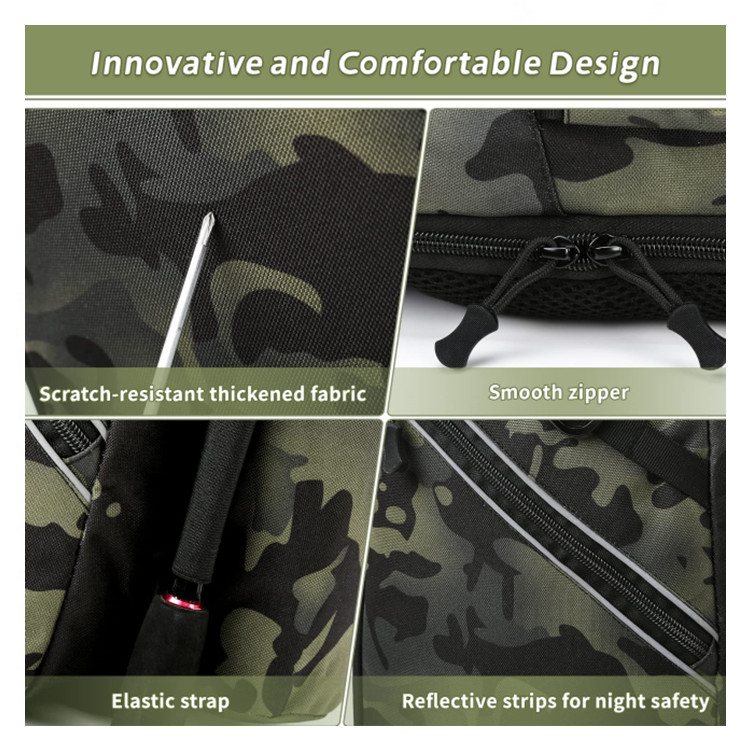
fishing tackle bag
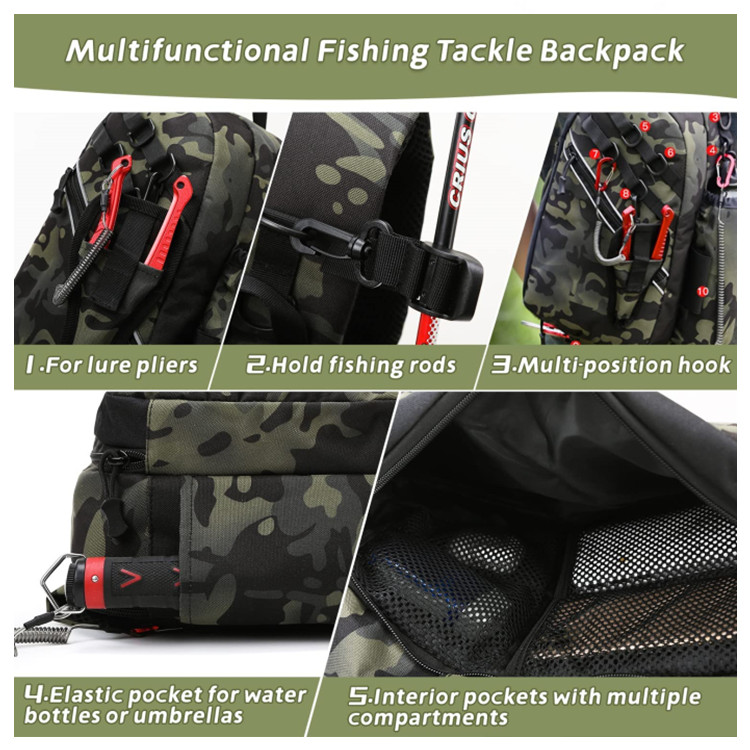
fly fishing bags
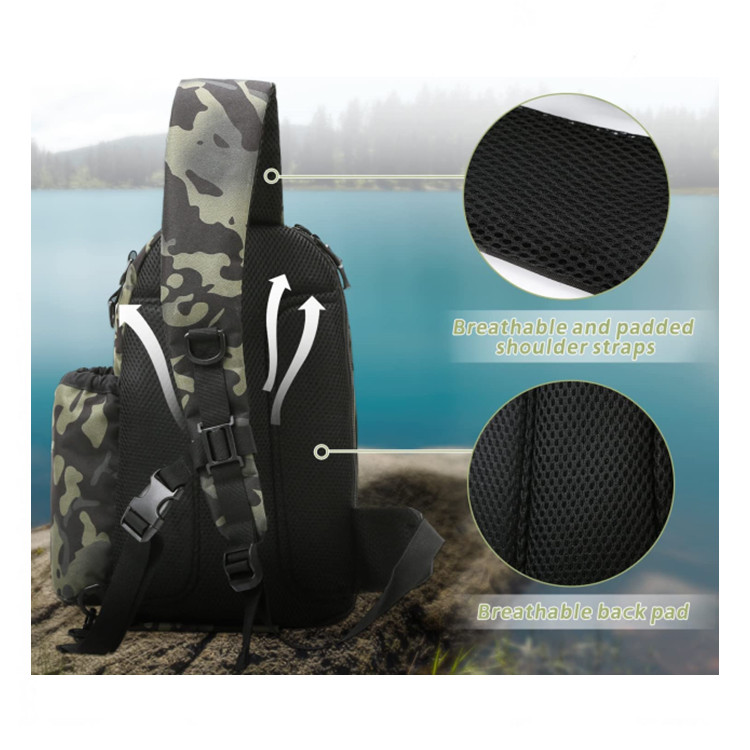
waterproof tackle bag
Waterproof Design Without Excess
Water resistance is another important consideration. A waterproof tackle bag helps protect lures, hooks, lines, and other equipment from rain and splashing water, which can extend the usable life of both the bag and its contents. However, sustainable design also means avoiding unnecessary material use.
Manufacturers are therefore paying more attention to targeted waterproof construction, sealed seams, protective coatings, and efficient compartment layouts. A well-engineered waterproof tackle bag can deliver protection where it matters without simply adding layers of material throughout the entire product.
Longer Product Life Becomes a Key Goal
Sustainability is also closely connected with repairability and maintenance. A waterproof fishing tackle bag that uses replaceable hardware, strong attachment points, and cleanable surfaces may remain useful for longer than a product designed only for short-term use.
From an industry perspective, extending product life can be a meaningful sustainability strategy because manufacturing a durable product once may require fewer resources than repeatedly replacing lower-quality alternatives. For buyers, this also means evaluating stitching quality, fabric strength, zipper performance, handle construction, and overall workmanship before purchasing.
What Should Anglers Look For?
When selecting sustainable fishing bags, consumers can consider several practical factors: material durability, manufacturing quality, repair potential, useful storage capacity, and expected service life. A compact design that efficiently organizes equipment may also reduce the temptation to carry unnecessary bags or duplicate accessories.
Whether choosing fly fishing bags for lightweight equipment or a fishing tackle bag for larger collections of lures and tools, buyers should focus on actual fishing needs rather than unnecessary features. Similarly, a waterproof tackle bag should provide appropriate protection for the intended environment instead of relying on excessive construction.
The Future of Sustainable Fishing Bags
The development of sustainable fishing bags is likely to continue as manufacturers respond to changing consumer expectations and environmental priorities. Future products may combine recycled materials, improved fabric technology, modular components, repair-friendly construction, and more efficient manufacturing.
For anglers, sustainability does not necessarily mean sacrificing performance. A durable fishing tackle bag, practical fly fishing bags, or dependable waterproof fishing tackle bag can support both outdoor performance and more responsible consumption when designed around longevity and efficient use.
The most sustainable bag is not simply the one with a “green” label. It is a product that performs reliably, lasts through repeated use, and provides practical value over its entire lifecycle. This long-term approach is helping redefine what modern fishing bags can offer to environmentally conscious anglers.
Xiamen Youk Tech. Co., Ltd. has been a leading bag manufacturer since 2003, producing 200,000 bags monthly in a 10,000+ sqm facility with 200 skilled workers. We offer OEM & ODM services, supported by an expert R&D team and strict QC. Specializing in daily, outdoor, waterproof, hunting, fishing, and cooler bags, we are BSCI and ISO9001 certified. Trusted by top brands like Walmart, Target, TJX, TESCO, FILA, and more. Mission: "People-oriented, client-focused, and cooperative for mutual growth."