
How Can the Durability of a Bicycle Bag Be Improved?
As cycling becomes part of everyday transportation and outdoor recreation, consumers are paying more attention to the durability of bicycle storage products. A bag used regularly may face friction, vibration, changing weather, heavy loads, and repeated installation. These conditions can gradually weaken fabrics, seams, zippers, and attachment points. Improving the service life of a bicycle bag therefore requires careful material selection, practical construction, and consistent quality control.
1. Choose Fabrics with Strong Wear Resistance
Fabric quality is one of the most important factors affecting product durability. Low-quality materials may tear easily when exposed to sharp objects, frequent friction, or heavy equipment.
For a reliable bicycle bag, manufacturers can consider high-density polyester, nylon, and other abrasion-resistant fabrics. Reinforced fabric structures help reduce surface damage during regular use.
A bike travel bag often carries heavier belongings over longer distances, making material strength especially important. Selecting suitable fabric thickness and construction can help maintain its shape and performance over time.
2. Reinforce Seams and Stress Points
Even durable fabrics can fail when stitching is weak. Areas around handles, straps, corners, and attachment systems usually experience greater tension during use.
A well-constructed bike handlebar bag should have reinforced stitching around its mounting points to withstand road vibration and repeated movement. Double stitching, stronger thread, and carefully finished edges can reduce the risk of seam separation.
For a larger bike travel bag, reinforcing the bottom and side panels can also help prevent damage when carrying heavier equipment. Consistent stitching quality is essential for long-term reliability.
3. Improve Zipper and Closure Performance
Zippers are frequently used components and can become a weak point if their quality is overlooked. Dust, moisture, excessive tension, and improper operation may cause them to wear prematurely.
A durable bicycle bag should use reliable zippers with smooth operation and suitable corrosion resistance. Protective zipper covers can provide additional defense against rain and dirt For a cycling backpack, buckle strength and strap adjustment systems also deserve attention. These components should remain secure after repeated opening, closing, and adjustment.
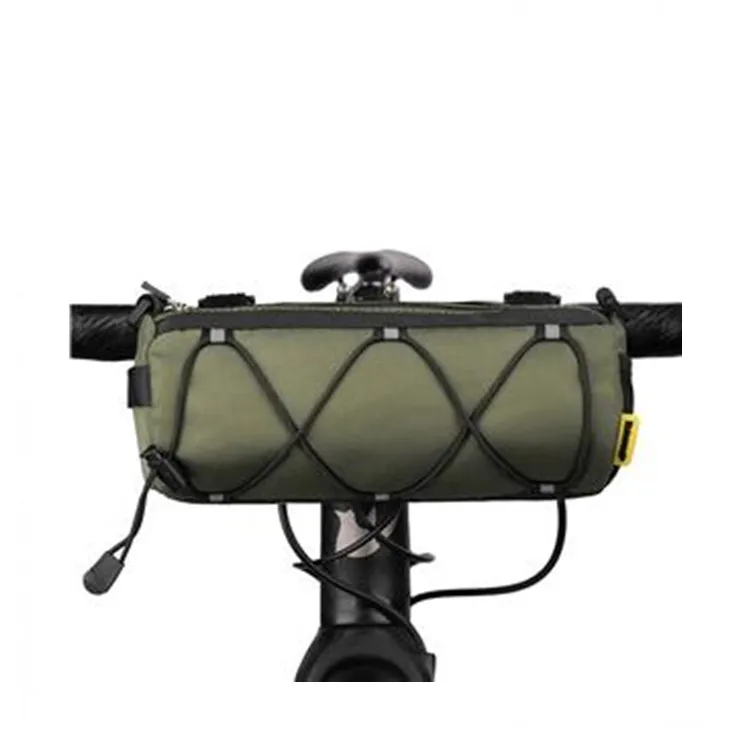
bike travel bag
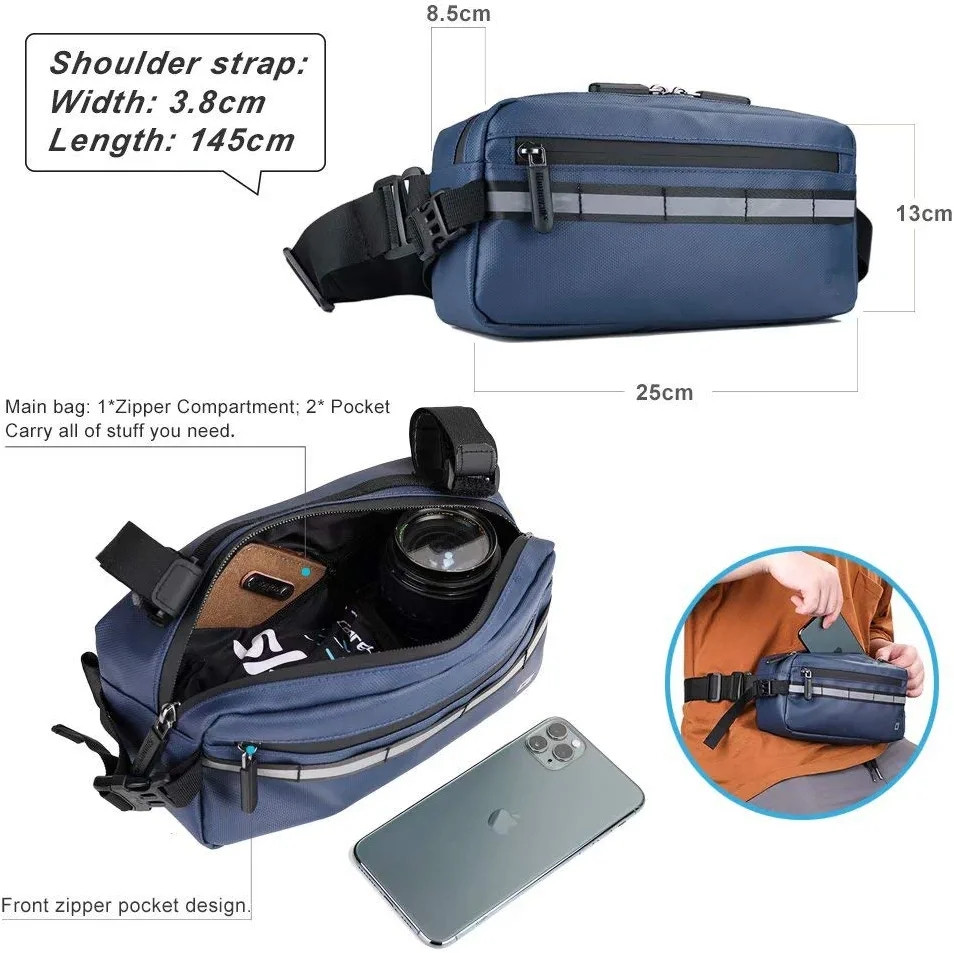
bike handlebar bag
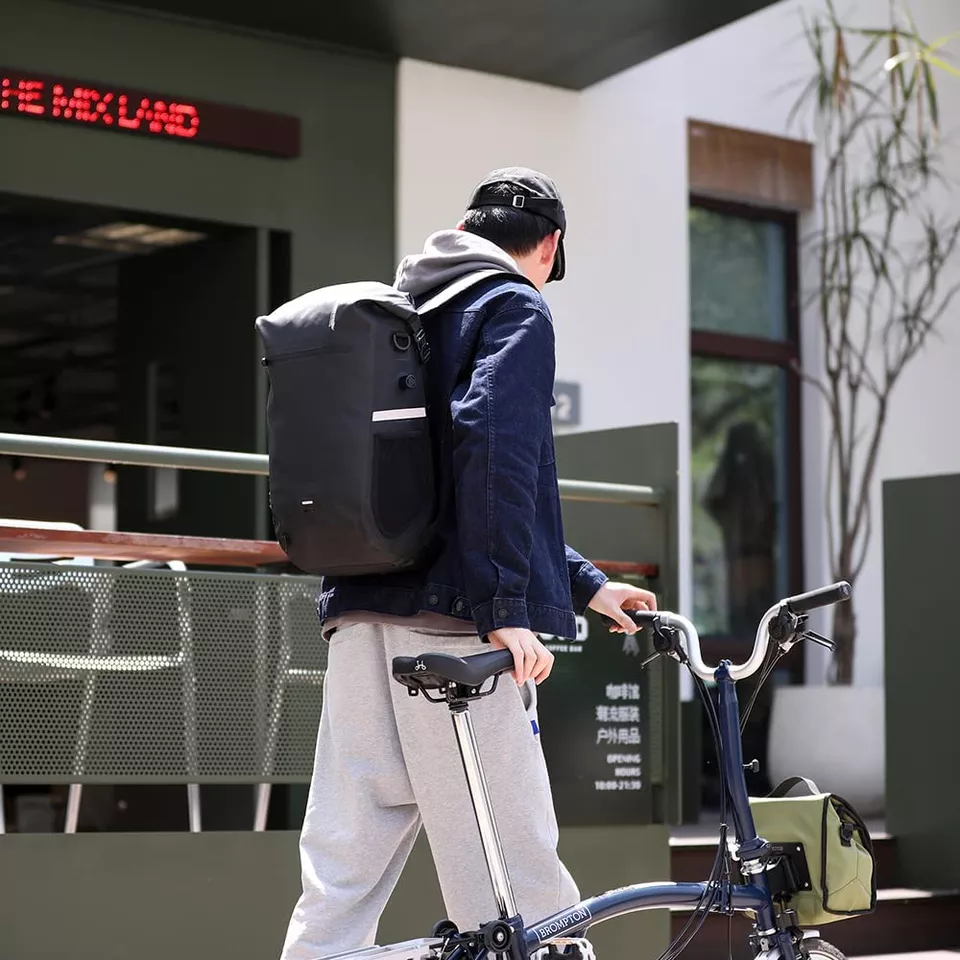
cycling backpack
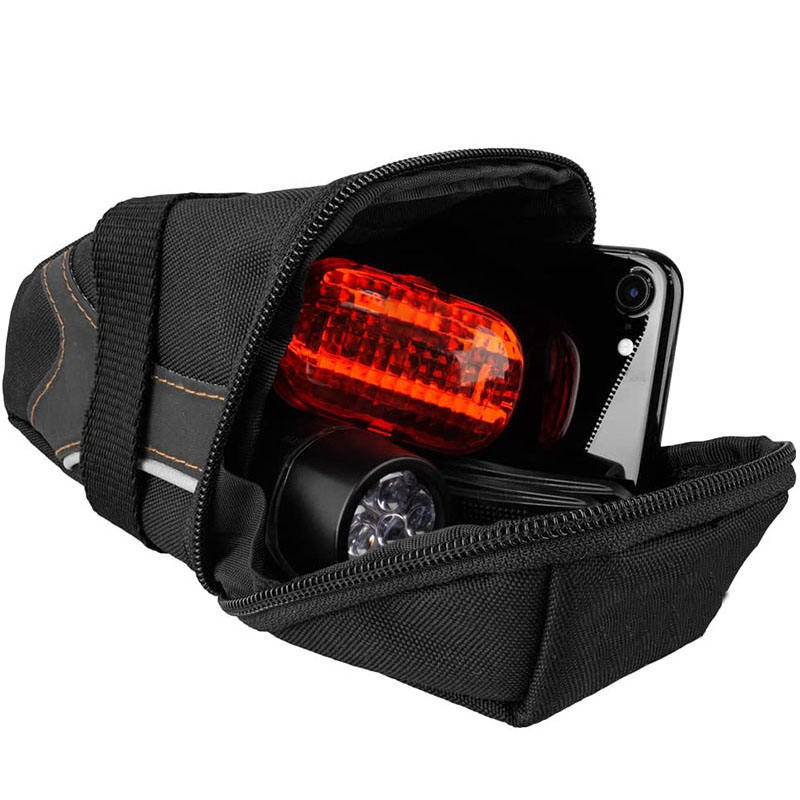
bike saddle bag
4. Design More Reliable Attachment Systems
A bicycle bag must remain stable while the bicycle is moving. Loose straps or poorly designed mounting systems can cause continuous friction, leading to premature wear.
A bike saddle bag should feature secure fastening straps or compatible mounting hardware that minimizes movement beneath the seat. Reinforced contact areas can further reduce damage caused by repeated vibration.
Similarly, a bike handlebar bag needs stable attachment points that distribute weight appropriately. Good structural design protects both the bag and its contents during everyday riding.
5. Add Effective Water and Moisture Protection
Rain and humidity can gradually affect fabrics, stitching, metal components, and stored belongings. Appropriate water-resistant treatments can improve a product's ability to withstand outdoor conditions.
A practical bike travel bag may use coated fabrics, water-resistant zippers, and carefully constructed seams to reduce water penetration. However, buyers should distinguish between water-resistant and fully waterproof performance.
A cycling backpack designed for outdoor use can also benefit from protective fabric treatments and covered openings. Proper material testing helps ensure that these features perform consistently.
6. Establish Consistent Quality Testing
Durability should be evaluated through more than visual inspection. Practical testing can identify weaknesses before products reach consumers.
For a bicycle bag, useful checks include zipper cycle testing, seam strength evaluation, load-bearing tests, abrasion resistance, and attachment stability assessments.
A bike saddle bag should also be tested under simulated riding conditions to evaluate whether its mounting system remains secure. Meanwhile, a cycling backpack needs practical carrying tests to assess strap strength and structural stability.
Regular inspections of raw materials, production processes, and finished products help reduce quality variations and improve customer confidence.
Improving bicycle bag durability requires a combination of suitable materials, reinforced construction, dependable accessories, and systematic testing. These improvements can extend product service life, reduce replacement frequency, and deliver better value to cyclists.
YOUKBAG has been a leading bag manufacturer since 2003, producing 200,000 bags monthly in a 10,000+ sqm facility with 200 skilled workers. We offer OEM & ODM services, supported by an expert R&D team and strict QC. Specializing in daily, outdoor, waterproof, hunting, fishing, and cooler bags, we are BSCI and ISO9001 certified. Trusted by top brands like Walmart, Target, TJX, TESCO, FILA, and more. Mission: "People-oriented, client-focused, and cooperative for mutual growth."