
How Do Running Bags Protect Electronics from Rain?
For modern runners, smartphones, wireless earbuds, and fitness trackers are essential companions. These devices track performance, provide motivation through music, and ensure safety through connectivity. However, rain presents a serious threat to expensive electronics. A sudden downpour can transform a perfect run into a costly disaster. Fortunately, specialized running bags are engineered to keep your gear dry, no matter the weather.
Understanding the protective technologies built into these carriers helps runners make informed choices and maintain device longevity.
The Vulnerability of Electronics
Moisture is the enemy of circuitry. Even minor water exposure can corrode connections, damage batteries, and render devices unusable. During a run, sweat adds another layer of moisture risk. Runners need solutions that address both external rain and internal perspiration.
Common Water Damage Scenarios:
Sudden rain showers during long training sessions
Splashes from puddles or wet roads
Accumulated sweat inside non-breathable compartments
Accidental drops in standing water
Water-Resistant Materials
The first line of defense against rain is the fabric itself. Modern running bags utilize technical materials engineered to repel water while remaining lightweight.
Advanced Fabric Technologies:
Many high-performance running belt bag options feature water-resistant coatings such as durable water repellent (DWR) treatments. These coatings cause water to bead up and roll off rather than soaking into the fabric. Some premium models use laminated fabrics with waterproof membranes similar to those found in high-end rain jackets.
TPU-Coated Materials:
Thermoplastic polyurethane (TPU) coatings provide exceptional water resistance while maintaining flexibility. A quality running bum bag constructed with TPU-backed fabric offers reliable protection without the stiffness of traditional waterproof materials.
Seam Construction and Zipper Design
Water often enters through the weakest points: seams and closures. Sophisticated running bags address these vulnerabilities with specialized construction techniques.
Taped Seams:
Waterproof running bags feature heat-sealed or taped seams that prevent moisture penetration through stitch holes. This construction method, borrowed from technical outerwear, ensures that water cannot find its way inside through needle perforations.
Water-Resistant Zippers:
Standard zippers allow water to seep through their teeth. Premium running bag designs utilize water-resistant zippers with protective flaps or coatings. Some models feature storm flaps that cover the zipper track, adding an extra barrier against driving rain.

running belt bag

running bum bag

running chest pack

running waist bag
Compartmentalization Strategies
Not all gear requires the same level of protection. Smart bag design recognizes this through strategic compartmentalization.
Dedicated Electronics Pockets:
Many running chest pack designs include specific pockets lined with water-resistant materials for device storage. These compartments are often positioned away from sweat-prone areas and feature their own sealing systems. Keeping electronics separate from sweaty clothing reduces moisture exposure from both directions.
Dry Bags Within Bags:
Some advanced running bags incorporate removable dry bags or pouches specifically for electronics. This redundancy ensures that even if the main compartment gets wet, valuable devices remain protected in a secondary waterproof layer.
Accessibility Versus Protection
Runners face a constant trade-off between quick access and maximum protection. Designers address this tension with innovative solutions.
Quick-Access Compartments:
A well-designed running waist bag might feature a main waterproof compartment for secure storage alongside a smaller, easily accessible pocket for items needing frequent retrieval. This dual-zone approach allows runners to grab nutrition or keys without exposing phones to rain.
Magnetic Seals:
Some premium bags utilize magnetic closures for frequently accessed pockets. These seals close automatically after use, reducing the chance of leaving compartments open during sudden showers.
Sweat Management
Protection from external rain is only half the equation. Internal moisture from sweat can be equally damaging to electronics.
Breathable Back Panels:
Quality running bags feature mesh or ventilated panels that contact the body. These materials promote airflow, reducing sweat buildup against the bag. Less internal moisture means lower humidity levels inside storage compartments.
Moisture-Wicking Fabrics:
The running belt bag designed for all-weather use employs moisture-wicking materials that pull sweat away from the body and the bag's interior. This active management system keeps electronics drier even during high-intensity efforts.
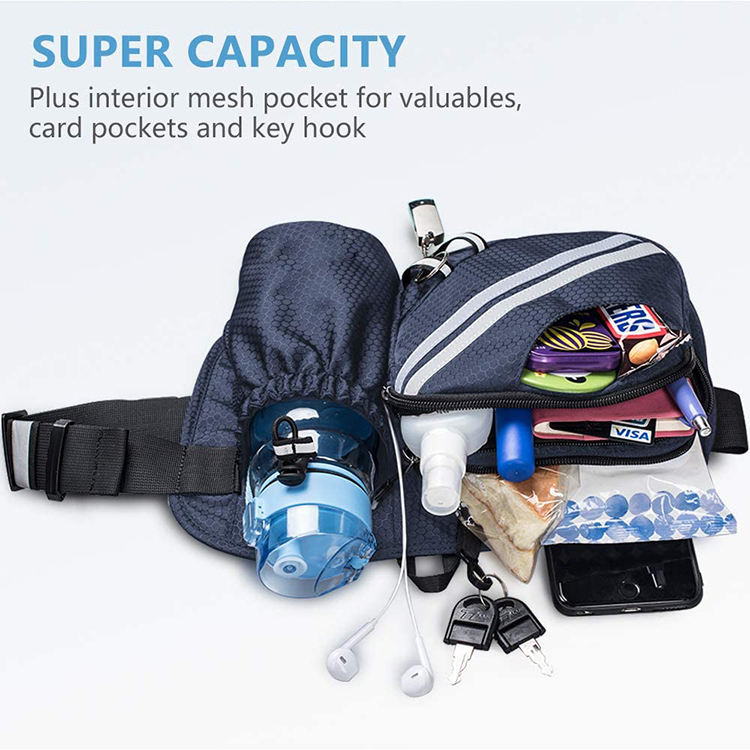
running bag
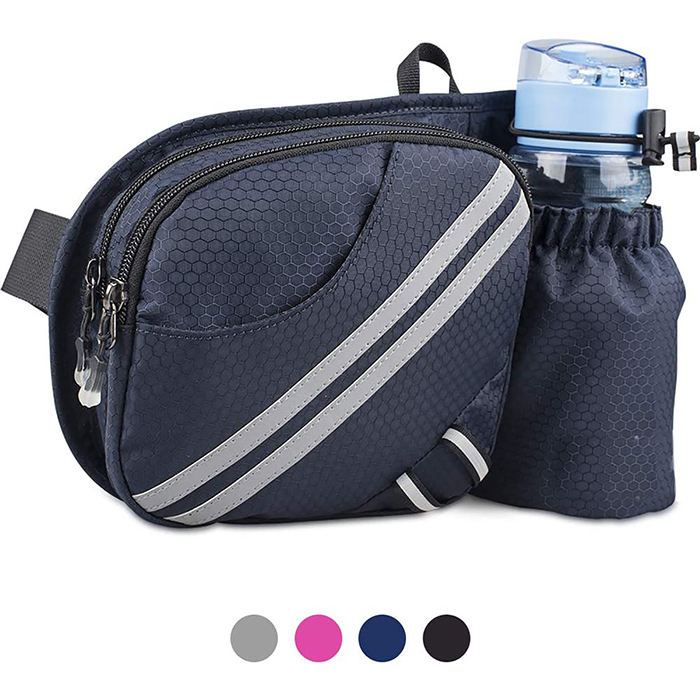
running belt bag

running bum bag

running chest pack
Real-World Testing Standards
Serious runners should look for bags with verified water resistance ratings. Industry standards provide objective measures of protection.
IP Ratings:
Ingress Protection (IP) ratings indicate resistance to solids and liquids. A running bum bag with an IPX4 rating offers protection against splashing water from any direction, while IPX7 indicates temporary immersion resistance. Understanding these ratings helps match protection levels to expected conditions.
Maintenance for Continued Protection
Water-resistant treatments degrade over time. Proper maintenance ensures your running bag continues protecting electronics through many seasons.
Reapplication:
DWR coatings can be refreshed with spray-on treatments designed for technical fabrics. Regular reapplication maintains water beading and prevents fabric saturation.
Cleaning Considerations:
Harsh detergents strip water-resistant treatments. Gentle cleaning with specialized technical fabric washes preserves protective qualities. Always follow manufacturer guidelines for your running chest pack or running waist bag.
Rain no longer means risking expensive electronics. Modern running bags incorporate sophisticated water protection through advanced materials, intelligent design, and redundant safety features. Whether you prefer a minimalist running belt bag for short sessions or a comprehensive running bum bag for long adventures, today's options offer reliable weather resistance.
The key is matching your choice to your specific needs. Consider typical weather conditions, the value of your electronics, and your accessibility requirements. A well-chosen running bag with proper water protection lets you run confidently through any forecast, knowing your devices remain safe and dry.