
How to Pack a Running Bag for a 10K Race?
Race day is finally here. You have trained for weeks, your legs feel fresh, and the starting line is in sight. But amidst the excitement, one critical question remains: Have you packed your running bag correctly? For a 10K race, preparation is everything. The items you carry can mean the difference between a personal best and a day filled with unnecessary distractions.
Knowing how to organize your gear ensures you stay focused, comfortable, and ready to perform when the gun goes off.
The Minimalist Mindset
A 10K is not a marathon. You won't need extensive nutrition supplies or multiple clothing changes. The key to successful packing is minimalism—carrying only what truly enhances your performance while eliminating anything that adds weight or causes bounce.
Why Less Is More:
Every extra gram in your bag requires energy to carry. Over 10 kilometers, that weight adds up. A strategic approach prioritizes essentials while leaving non-essentials behind or with spectators.
Essential Categories for 10K Success
Hydration Strategy
For a 10K race, carrying a full hydration bladder is usually unnecessary, especially if water stations are available along the course. However, having access to fluids during warm-up and immediately after finishing is valuable.
Smart Hydration Choices:
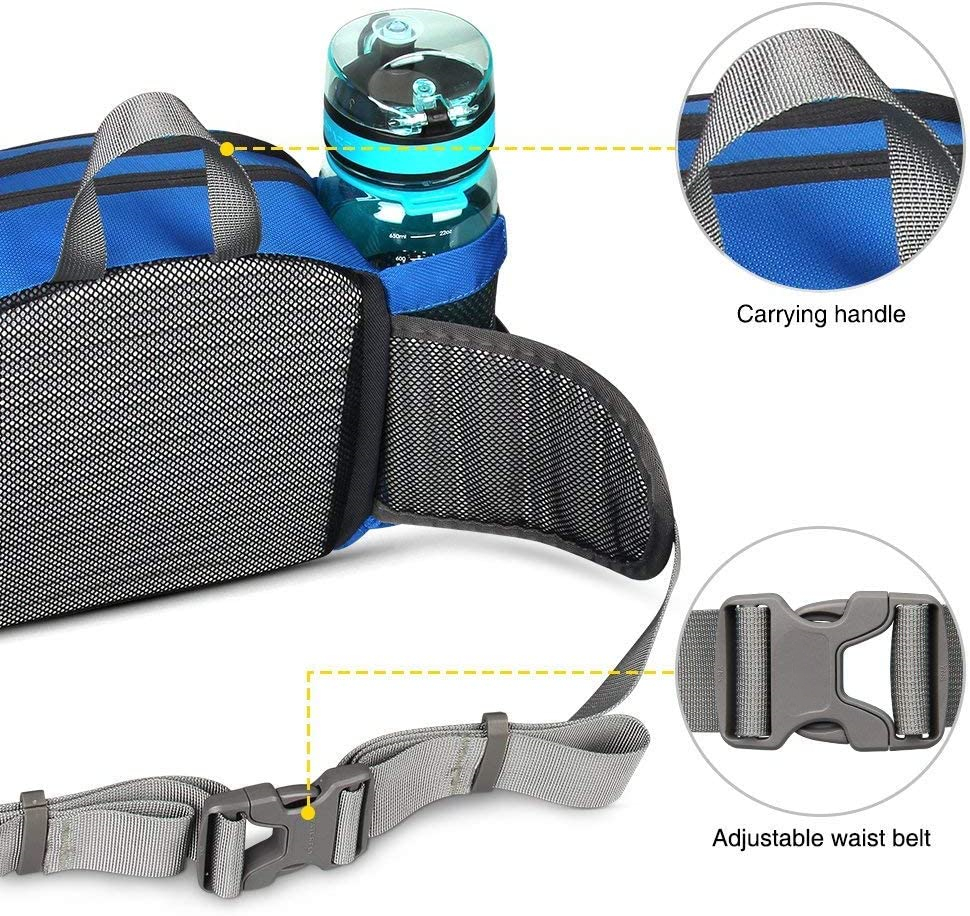
A compact running belt bag can hold a small soft flask for pre-race sipping without creating bulk during the race itself. If you prefer carrying water throughout, choose the smallest possible container and plan to refill at stations.
Nutrition for Performance
While 10 kilometers doesn't typically require mid-race fueling, having emergency nutrition provides peace of mind. A single energy gel or chews can save the day if your pre-race meal was insufficient or if nerves have depleted your reserves.
Packing Nutrition:
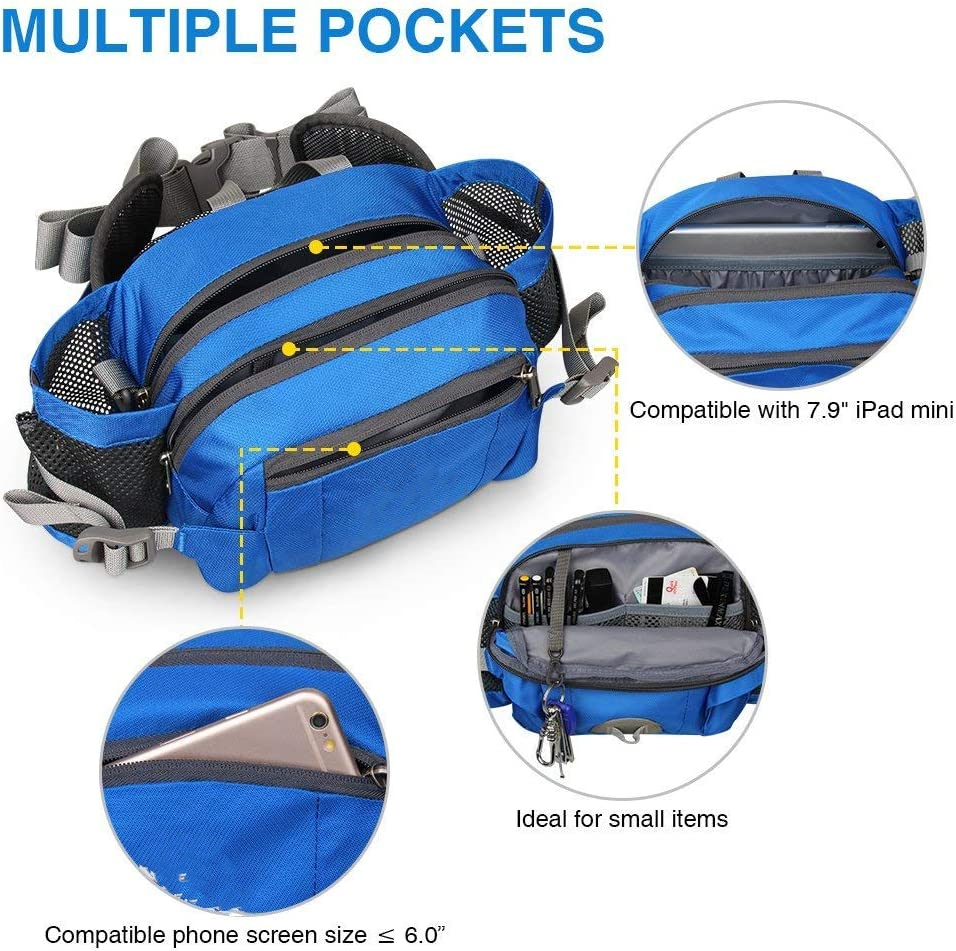
The running bum bag design excels here. Front-accessible pockets allow you to reach nutrition without breaking stride or removing your bag. Position gels in an easily grab-able location for quick access if needed.
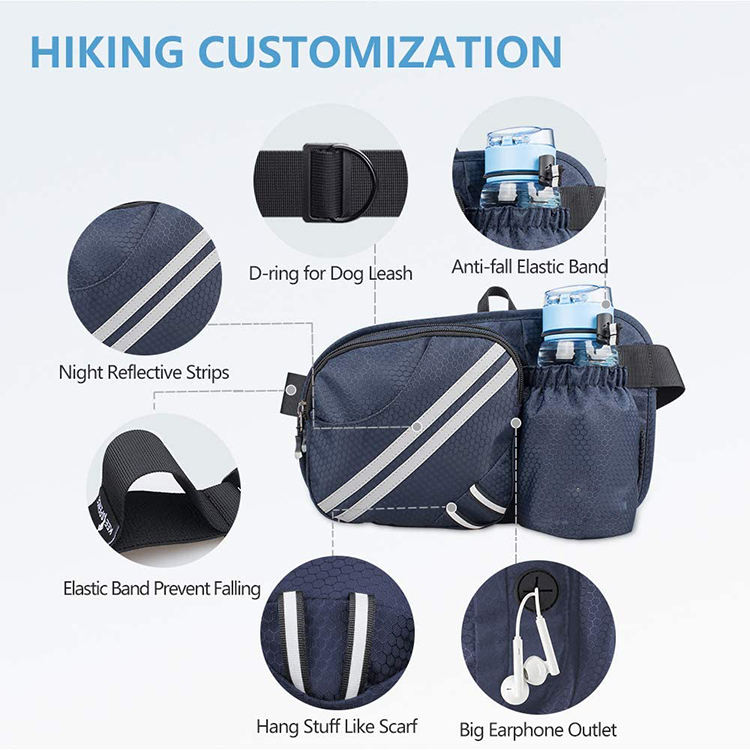
running bag
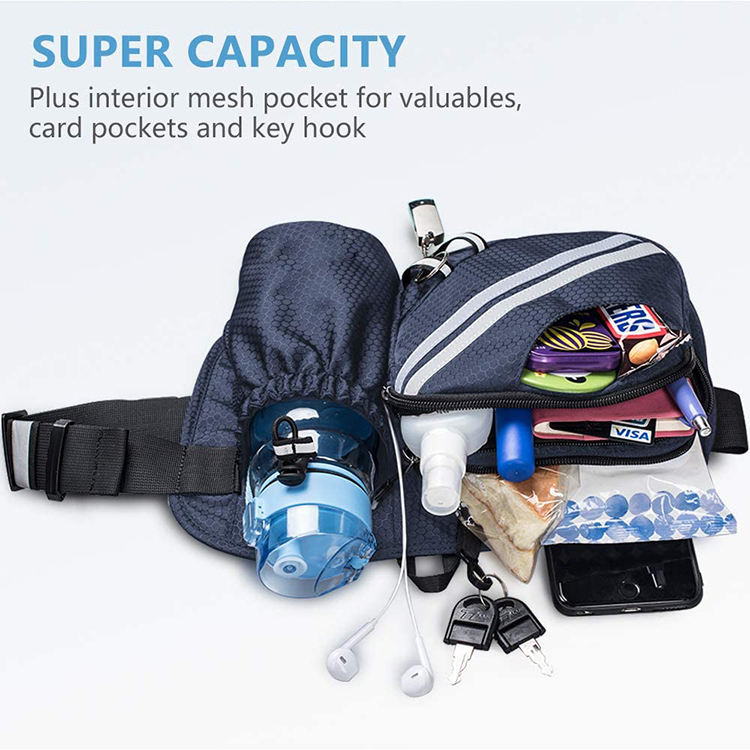
running belt bag

running bum bag
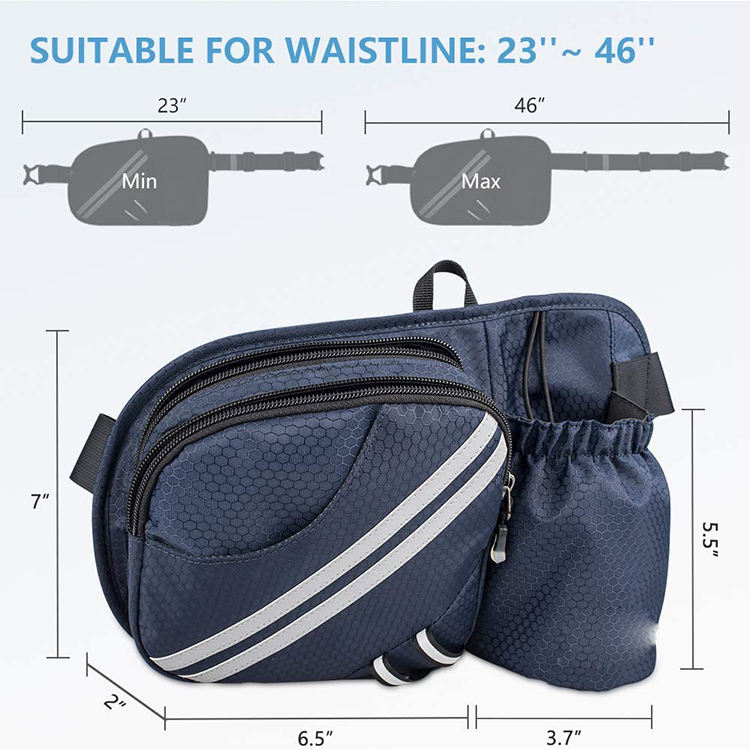
running chest pack
Device and Connectivity
Modern runners rely on technology for pacing, music, and safety. However, these devices need protection and strategic positioning.
Phone Placement:
Your smartphone serves as your safety net, music source, and post-race communication tool. A quality running bag should feature a secure, moisture-resistant compartment for phone storage. Consider position carefully—back pockets risk sweat damage, while front pockets offer better protection and accessibility.
Key and Card Storage:
Driving to a race means managing car keys. A minimalist approach uses the smallest possible key presentation—just the ignition key, removing bulky keychains. Some running chest pack models include dedicated key clips that prevent loss while keeping keys instantly accessible.
Identification and Emergency Info
Safety should never be overlooked. Even for a familiar 10K route, carrying identification is essential.
What to Carry:
A photo ID or runner's identification tag
Emergency contact information
Medical alert information if applicable
A small amount of cash or a card for emergencies
These items take minimal space but provide maximum peace of mind. Slip them into a secure pocket of your running waist bag where they won't shift or fall out during movement.
Clothing Considerations
Weather can change quickly during race season. Packing for conditions means thinking about both pre-race and post-race comfort.
Pre-Race Layers:
If temperatures are cool before the start, you may want a throwaway layer—an old sweatshirt or jacket you can discard just before the starting line. Many races collect and donate these items.
Post-Race Comfort:
After crossing the finish line, your body temperature drops rapidly. A lightweight, packable jacket or dry shirt provides immediate comfort. The running belt bag might not accommodate a full change of clothes, but a running chest pack or small running bag can hold a compressible layer.
The Bounce Test
Packing is not complete without testing. Before race morning, practice running with your fully loaded bag.
What to Check:
Does anything shift or bounce during movement?
Are zippers and closures secure?
Can you access everything you need without stopping?
Does the fit remain comfortable at race pace?
Adjust straps and reposition items until the bag feels like part of your body. A properly packed running waist bag should be virtually unnoticeable during movement.
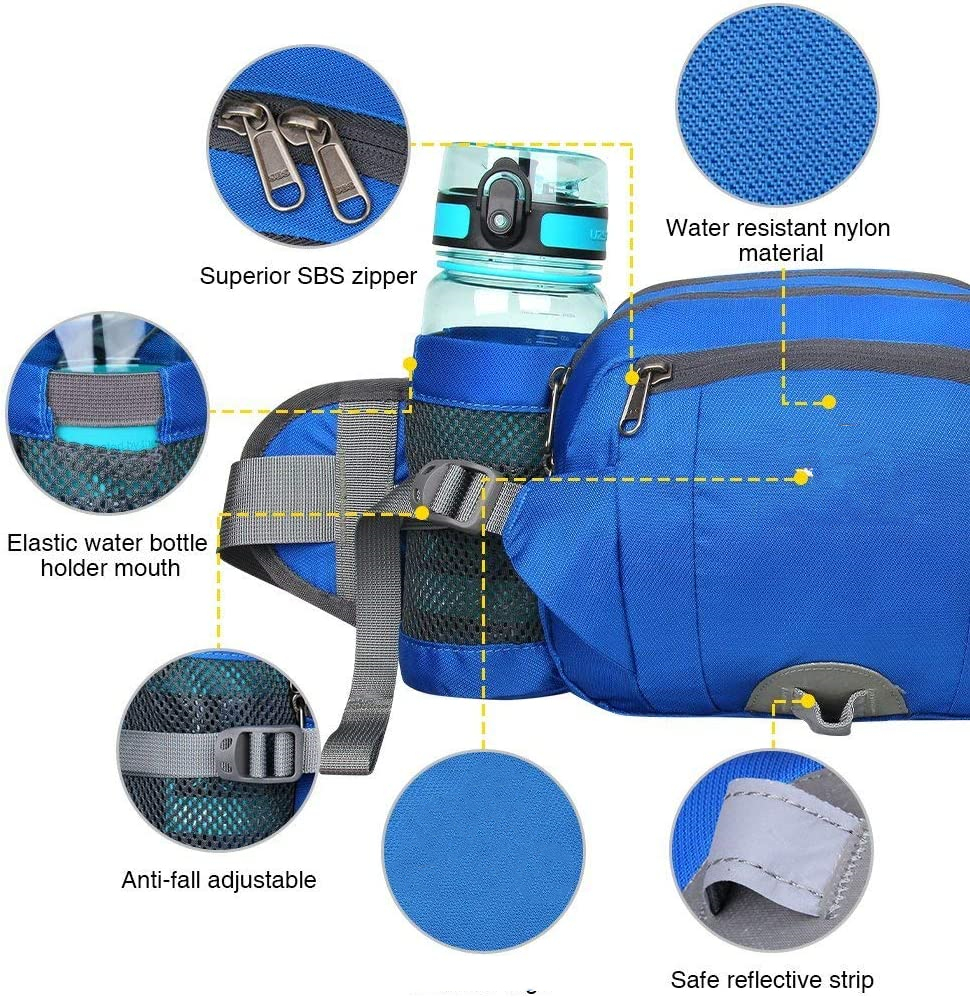
running bag

running belt bag
running bum bag
running chest pack
Pre-Race Morning Checklist
Create a simple checklist to prevent last-minute panic:
| Category | Items | Location |
|---|---|---|
| Hydration | Small soft flask | Running belt bag side pocket |
| Nutrition | One energy gel | Front pocket of running bum bag |
| Electronics | Phone, headphones, watch | Secure main compartment of running bag |
| Safety | ID, emergency contact, small cash | Zippered pocket of running chest pack |
| Post-Race | Light jacket, dry shirt | Drop bag or small running waist bag |
Weather-Specific Adjustments
Hot Conditions:
Carry extra hydration if stations are sparse
Pack a small towel in your running chest pack for sweat management
Consider sun protection in a easily accessible pocket
Cold or Rainy Conditions:
Ensure your phone is in a waterproof compartment
Pack lightweight gloves that can be removed and stored
Choose a running waist bag with water-resistant materials
The Final Check
On race morning, do one final review. Remove anything not absolutely necessary. Every item should earn its place by providing clear value during your 10 kilometers.
Items to Leave Behind:
Full wallets with multiple cards and cash
Large keyrings with house keys and fobs
Multiple devices (do you need both phone and music player?)
Excessive nutrition (one gel is plenty)
Full water bottles if aid stations are available
Packing for a 10K race is an exercise in thoughtful minimalism. The right approach ensures you have everything necessary for performance, safety, and comfort while carrying nothing that slows you down.
Whether you prefer the streamlined profile of a running belt bag, the classic accessibility of a running bum bag, or the expanded capacity of a running chest pack, the principles remain the same. Choose a quality running bag that fits your body and your needs. Pack deliberately, test thoroughly, and run freely.
Your 10K race is your moment to shine. Proper packing ensures that when the starting horn sounds, your only focus is the road ahead.