
Production Capacity
YOUKBAG coordinates material preparation, component processing, assembly, quality inspection, and packing to manufacture bags according to approved samples and customer specifications. The production route is adapted to each design, with sewing, welding, and forming used where appropriate.
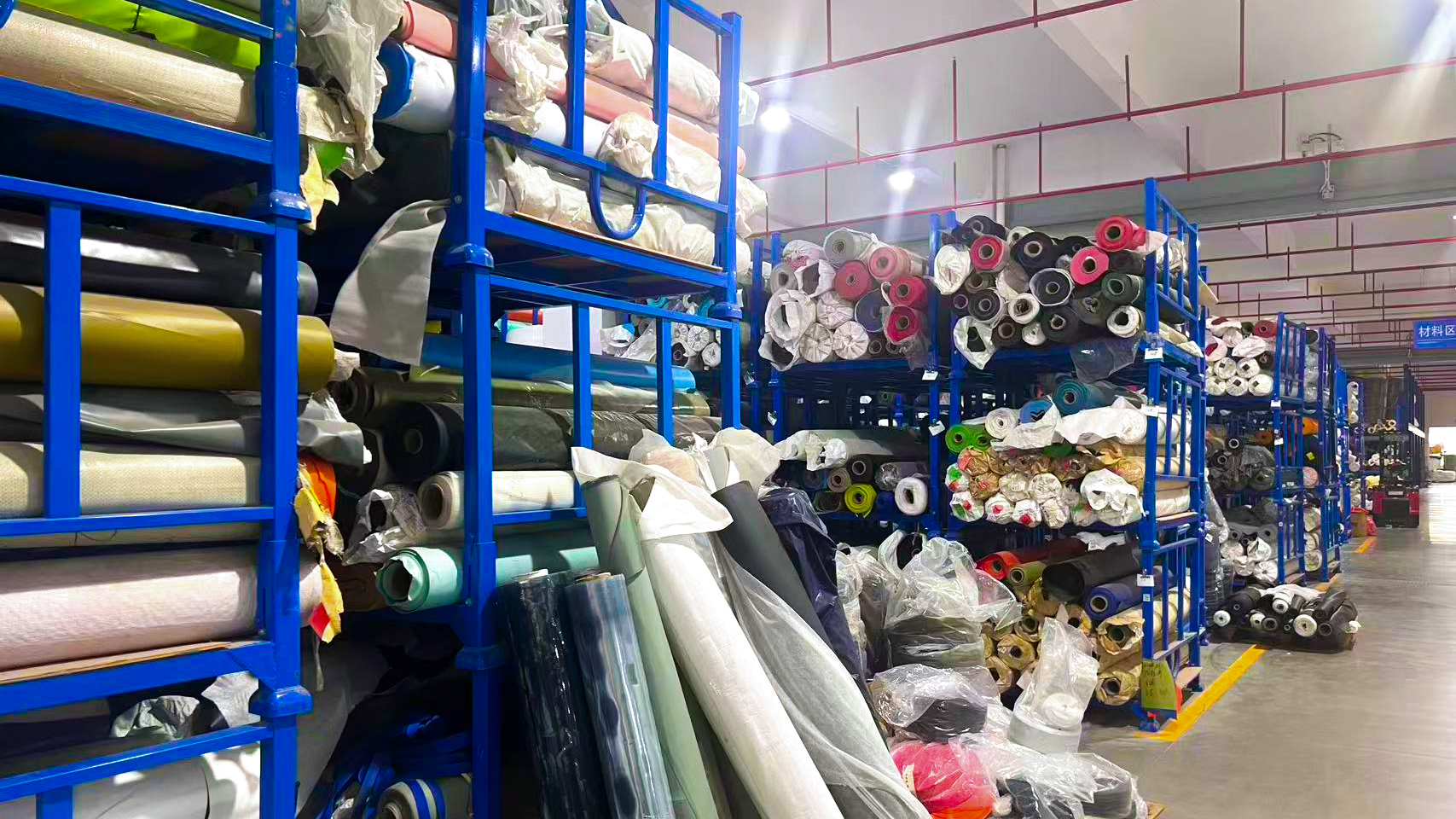
1.Raw Material Warehouse
Our raw material warehouse keeps fabric rolls and production materials organized for efficient production preparation. Materials are selected according to confirmed fabric types, colors, and specifications, with quantities checked against order requirements. Orderly storage and careful handling help preserve material condition and support a smooth supply to the cutting and production areas.
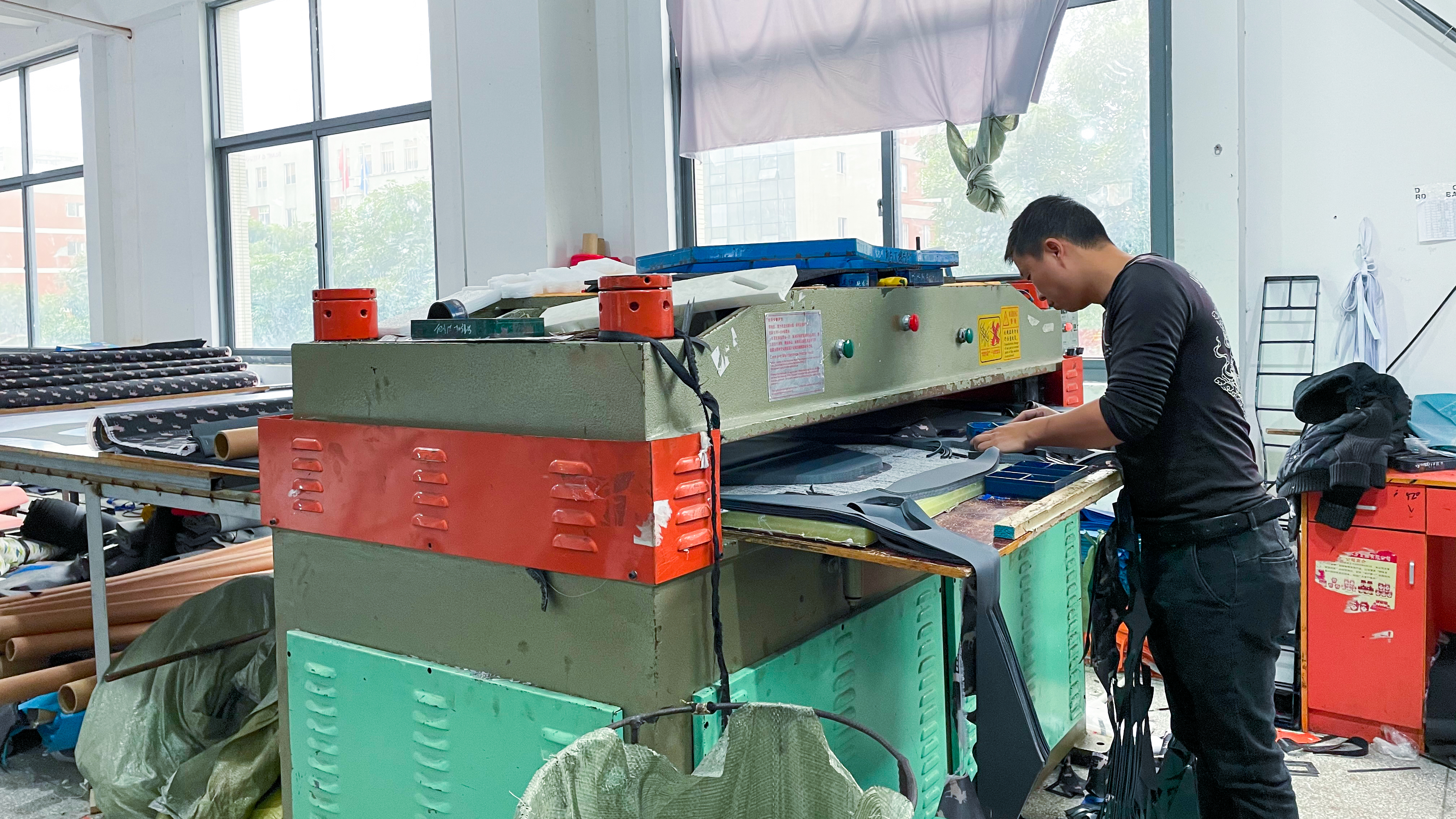
2.Cutting
Fabrics and other materials are cut into individual components using cutting equipment and approved production patterns. Attention is given to component dimensions, material orientation, and clean cutting edges to support accurate assembly. Cutting layouts are planned to use materials efficiently while maintaining consistency across the parts required for each production order.
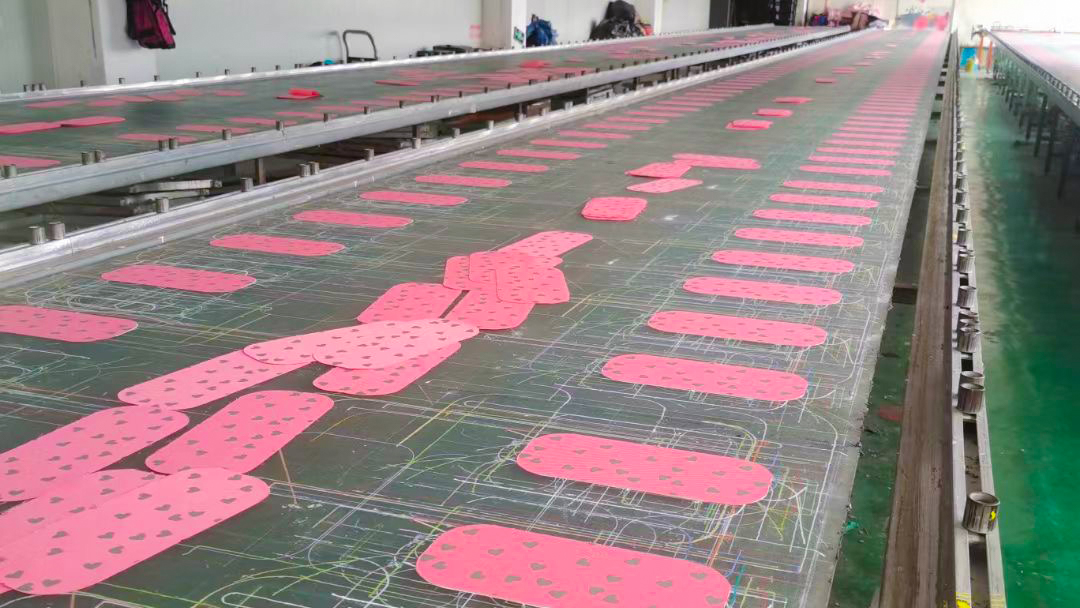
3.Printing
Logos and graphic designs are applied according to approved artwork and agreed placement requirements. The printing method is matched to the material and design, with attention to color, positioning, and detail. Printed panels are reviewed before further processing to help maintain consistent branding and appearance throughout the order.
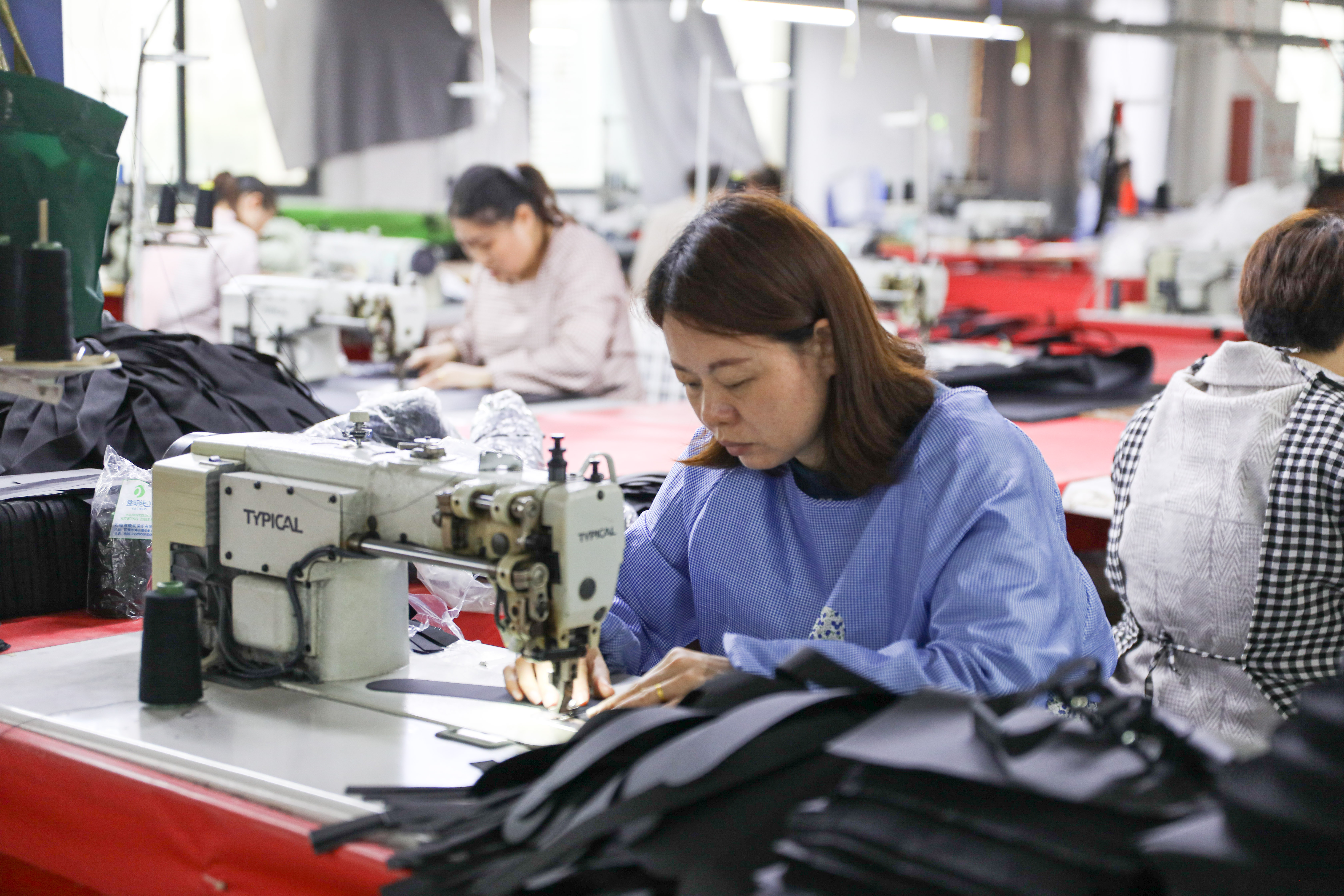
4. Sewing
Our sewing team assembles panels, pockets, linings, zippers, and webbing using industrial sewing equipment. Operators work to the approved construction details, paying attention to stitch alignment, seam allowances, and component positioning. Reinforcement is applied where the design requires it, such as at handles and strap attachment points, to support the intended carrying function.
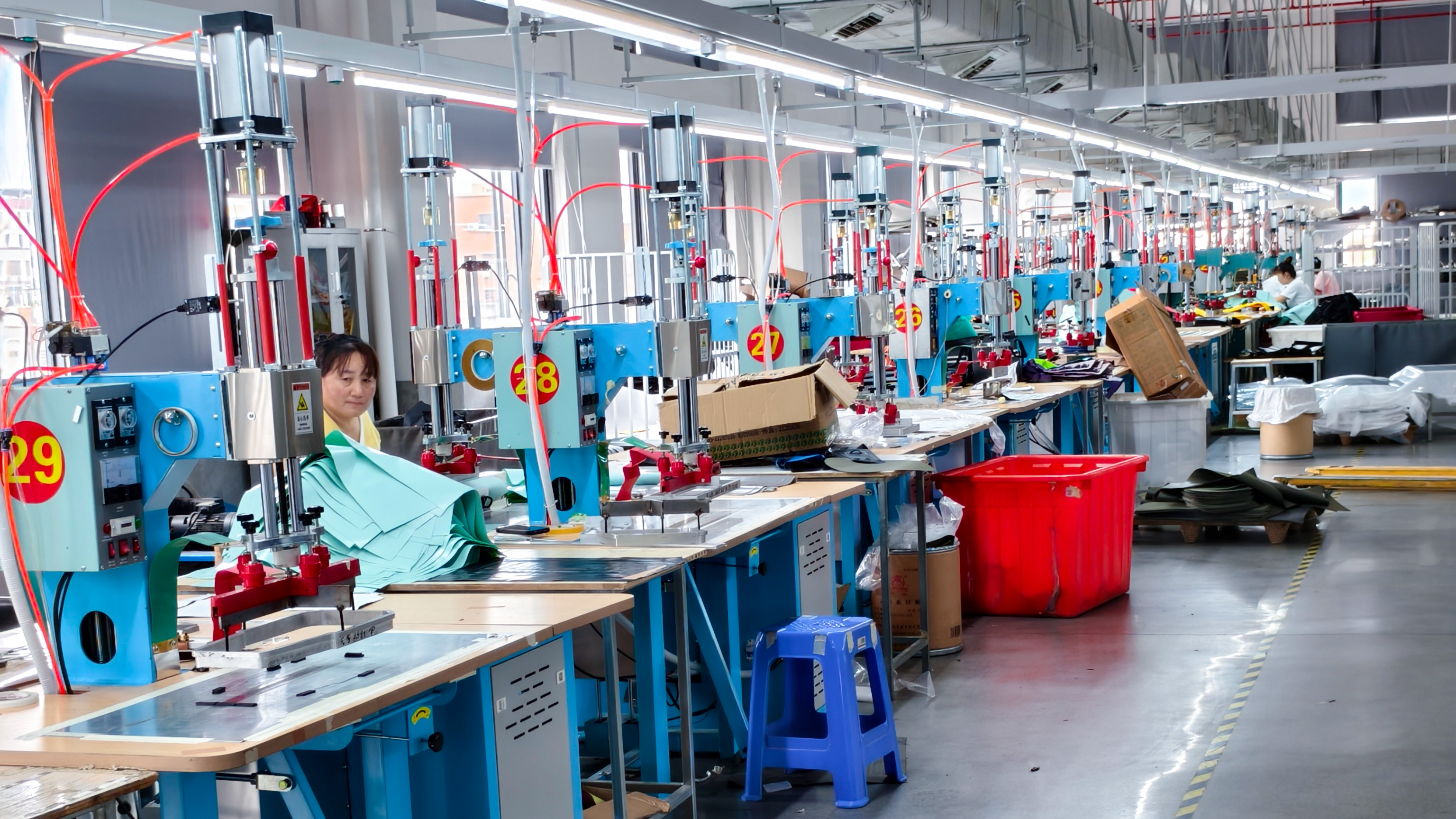
5.RF High Frequency Welding
For suitable waterproof bag constructions, high-frequency welding bonds compatible coated material layers at the joining areas. Material alignment and welding settings are matched to the seam design and material characteristics. The focus is on continuous, well-aligned joints that support the product’s specified sealing requirements and maintain a neat finish.
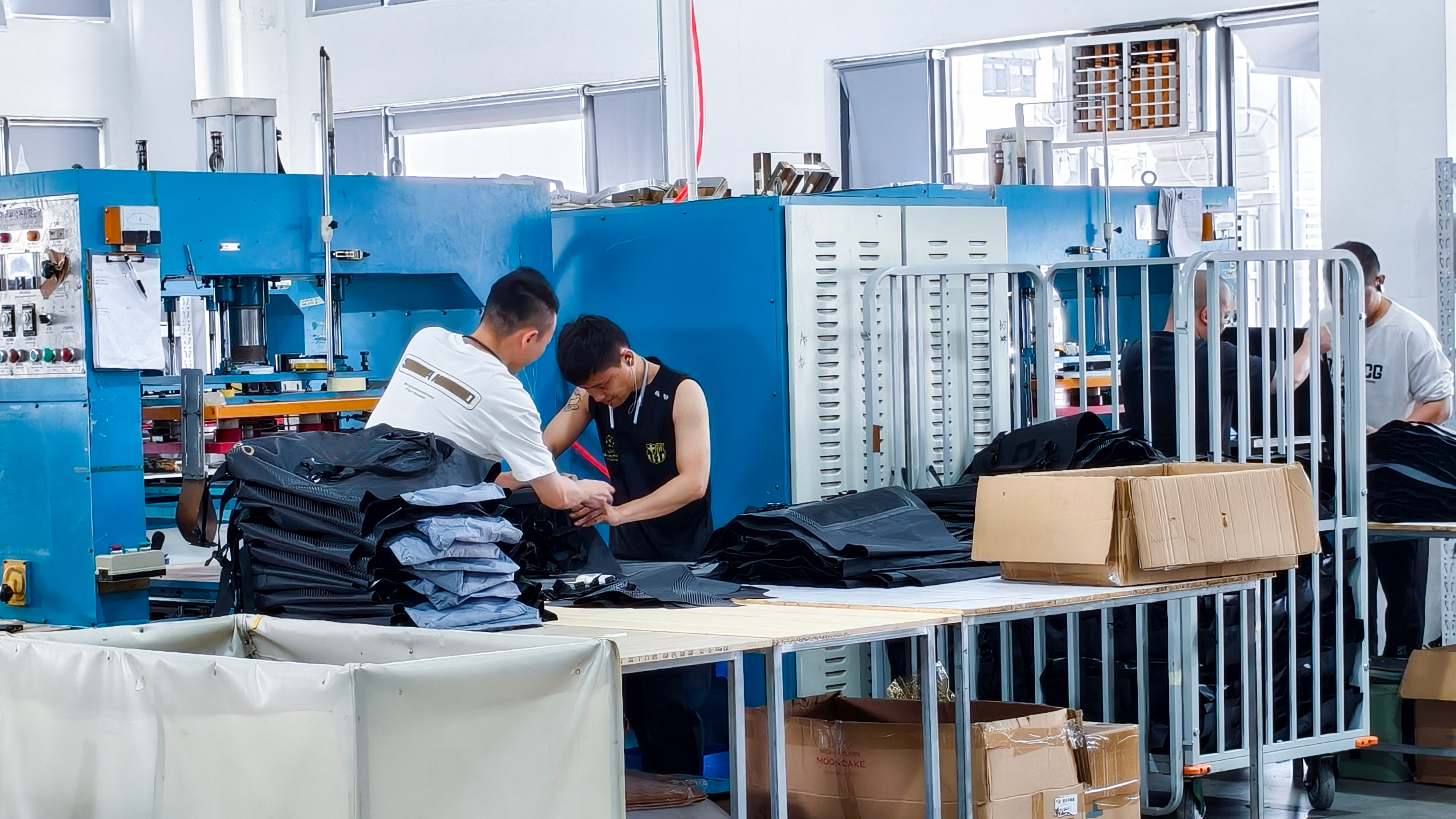
6. Molding / Forming & Assembly
For designs requiring a defined shape or assembled structure, forming equipment and fixtures help position and bring prepared components together. Operators align panels, edges, and joining areas according to the approved design. This stage focuses on the bag’s overall profile, dimensional consistency, and assembly accuracy, with the process adapted to the product’s materials and construction.
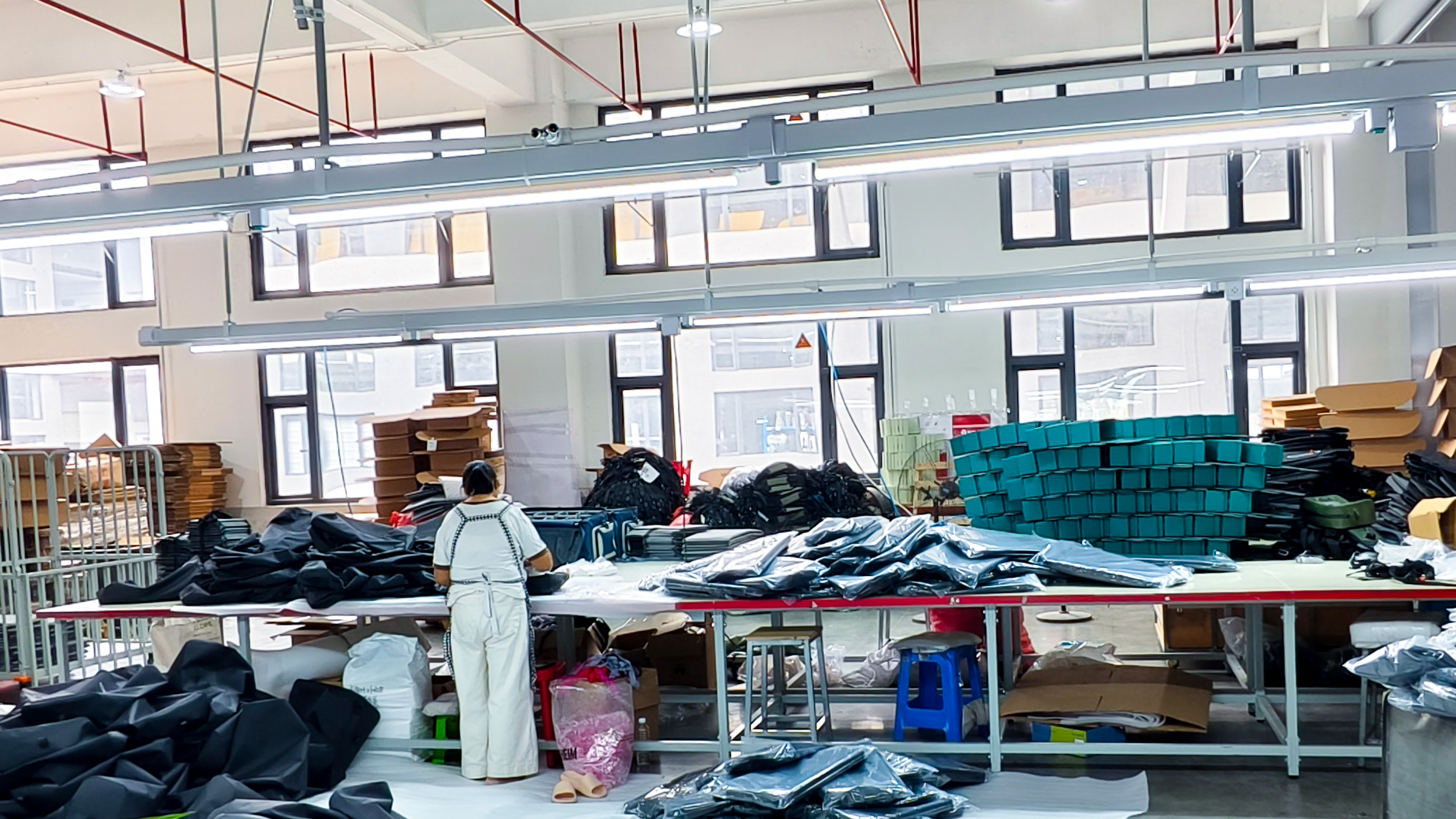
7.Quality Inspection
Products are checked against the approved sample and agreed specifications before packing. Inspection covers appearance, dimensions, stitching or welded joints, component placement, and the operation of closures and accessories. Additional functional or performance checks are arranged according to product and order requirements. Identified issues are reviewed and addressed before the products move to packaging.
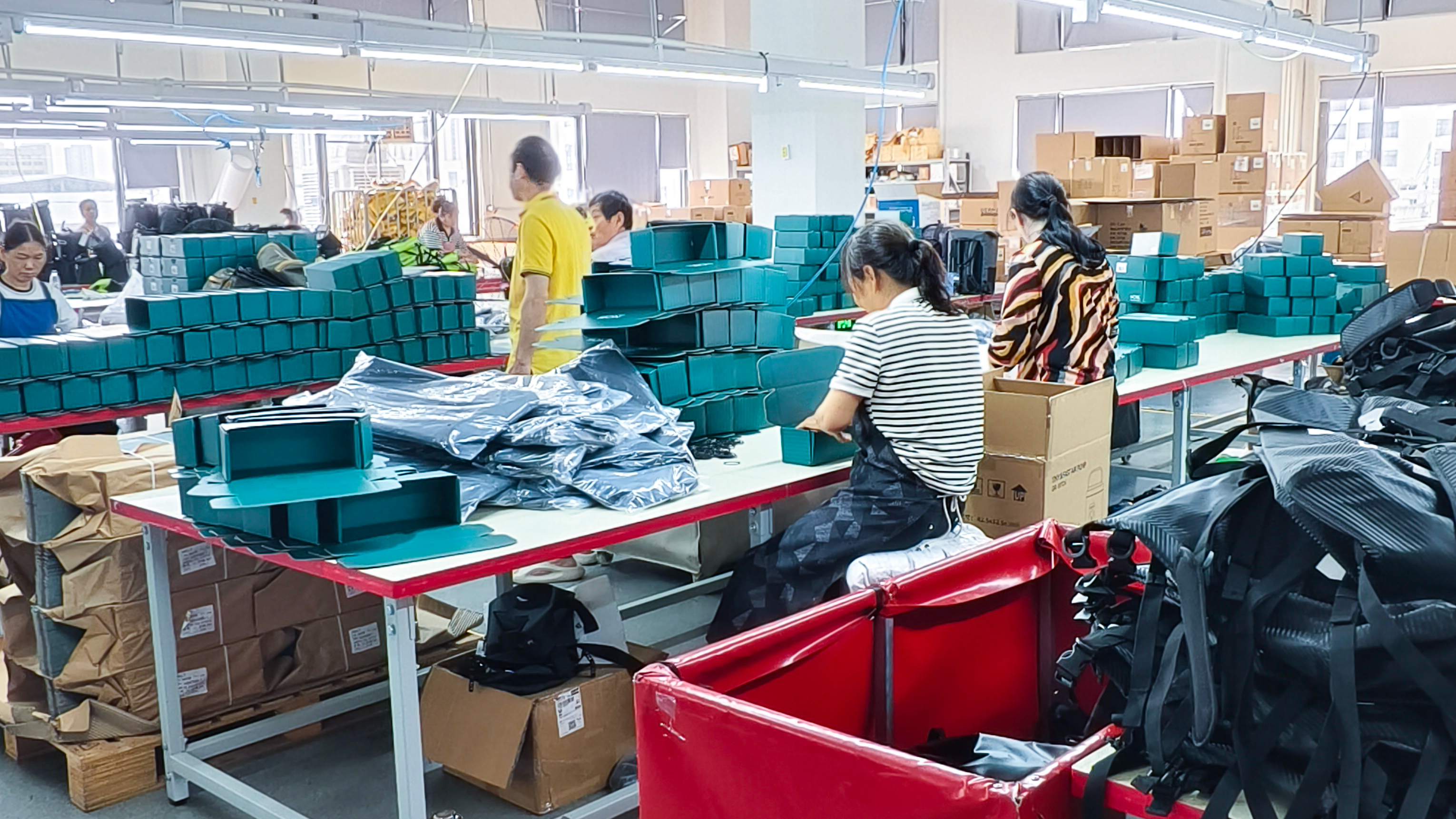
8.Packaging
Inspected bags are prepared and packed according to the customer's packaging instructions. Individual protection, product presentation, labels, and carton arrangements are coordinated with the agreed requirements. Quantities and packing details are checked during the process to help protect the products in handling and keep the order organized for storage and shipment.
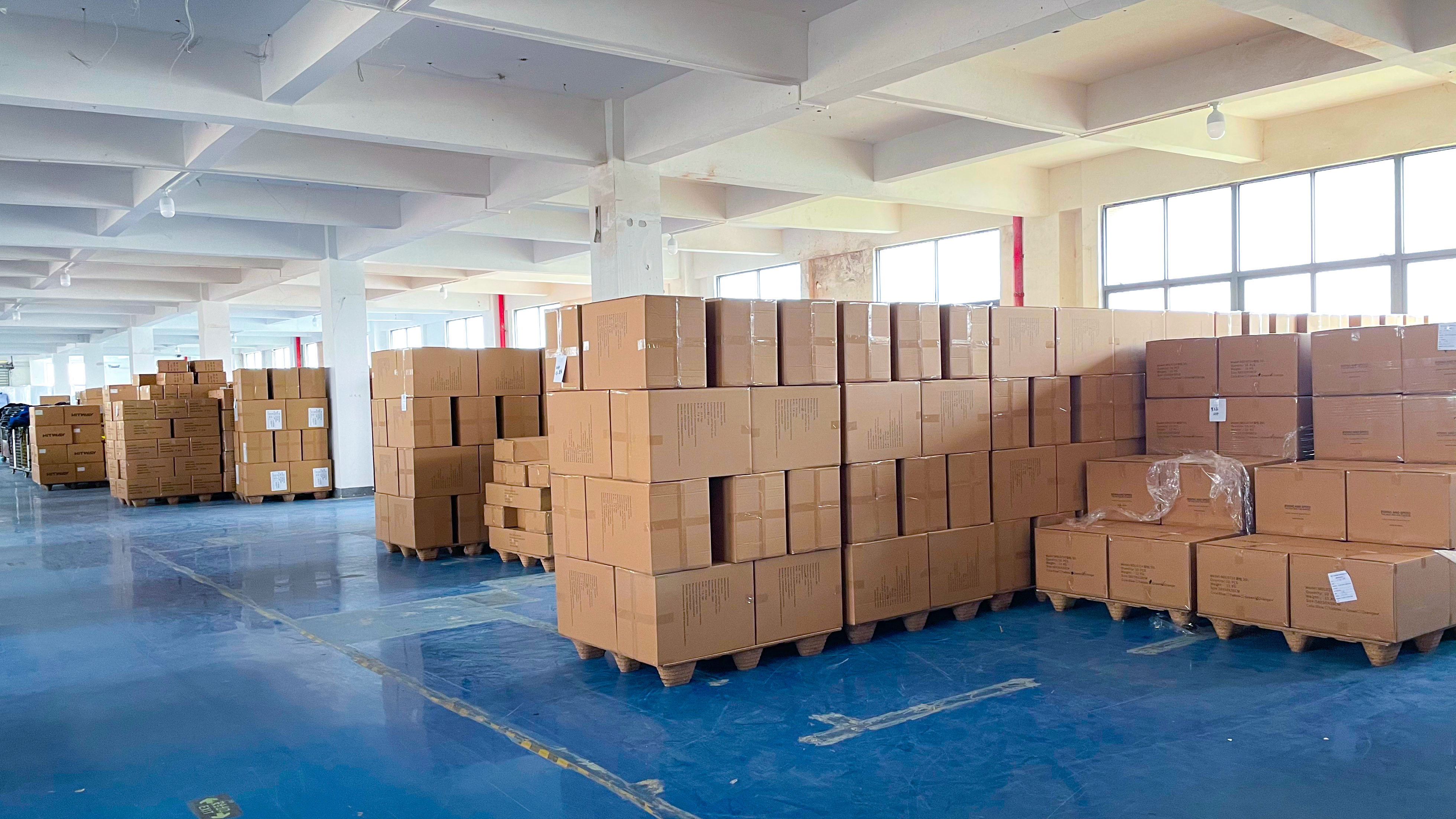
9.Finished Goods Warehouse
Packed cartons are organized by order and stored on pallets in our finished goods warehouse. Clear order identification and orderly stacking support stock handling and shipment preparation. Carton quantities, identification details, and shipping marks are reviewed before dispatch to help coordinate loading with the agreed shipping arrangements.