
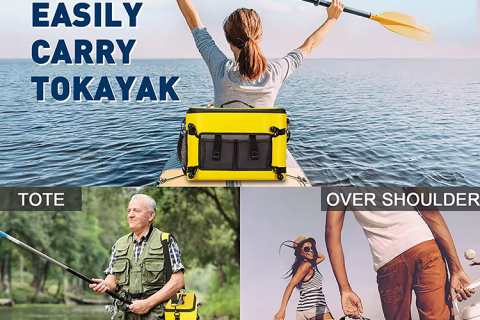
In response to evolving lifestyles and an increasing emphasis on health and outdoor activities, the outdoor bags industry is experiencing a significant surge in demand. With a particular focus on organizer bags, sports bags, travel bags, waist bags, and bicycle bags, the market is witnessing a notable shift towards versatile and functional solutions for outdoor enthusiasts.
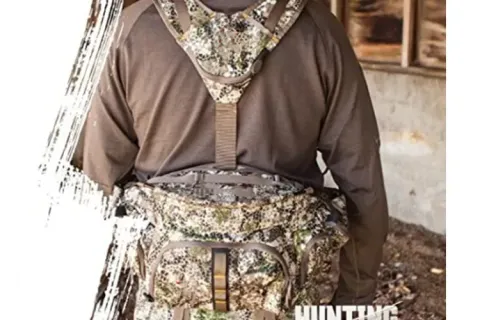
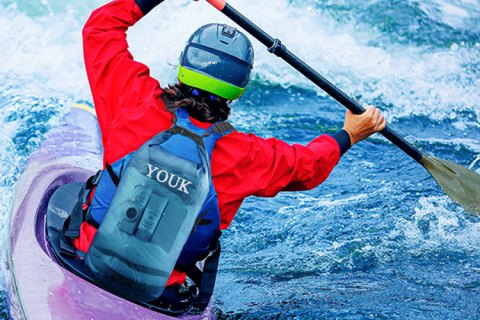
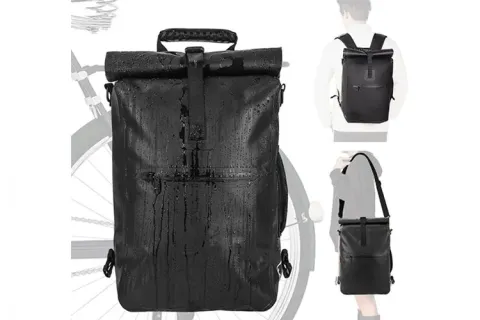










As environmental awareness grows across the outdoor industry, anglers are paying closer attention to how fishing equipment is made, used, and discarded. This trend is influencing the design of fishing bags, with manufacturers increasingly exploring durable materials, longer product lifecycles, and more efficient production methods. Sustainability is no longer limited to packaging; it is becoming part of how a modern fishing tackle bag is designed and manufactured.


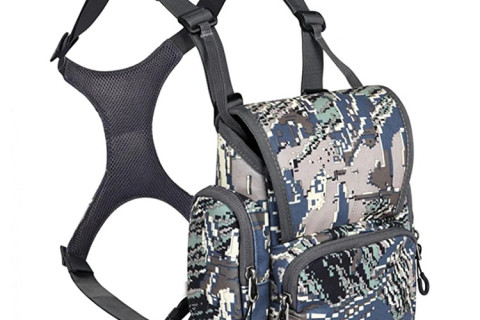
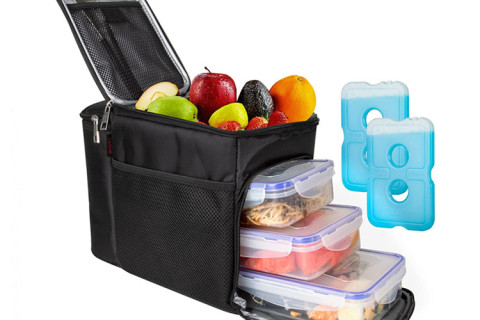
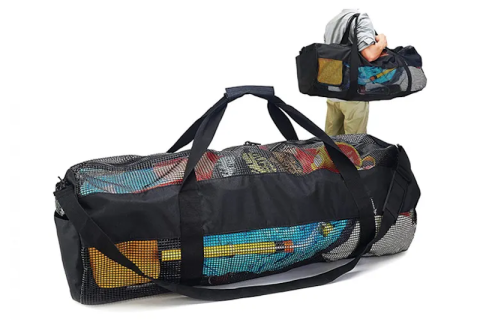
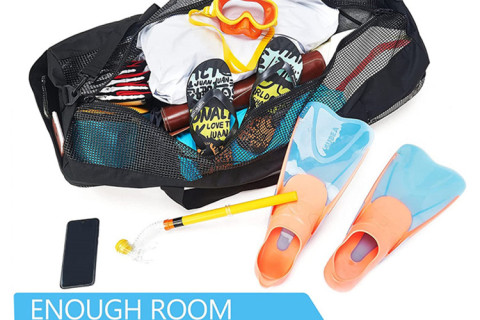
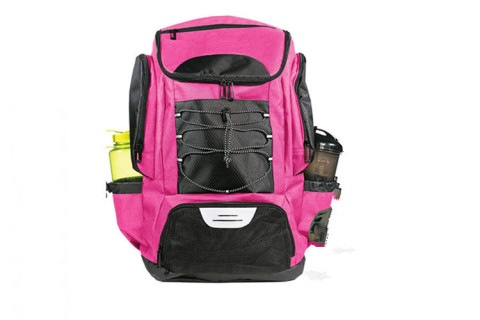
For regular swimmers, swimming waterproof bags can offer useful protection, while a well-organized swimming equipment bag can simplify equipment management. Ultimately, the best swimming bag combines suitable capacity, wet-dry separation, ventilation, comfortable carrying, and appropriate moisture protection. These features can turn a basic sports bag into a dependable part of a swimmer's everyday routine.
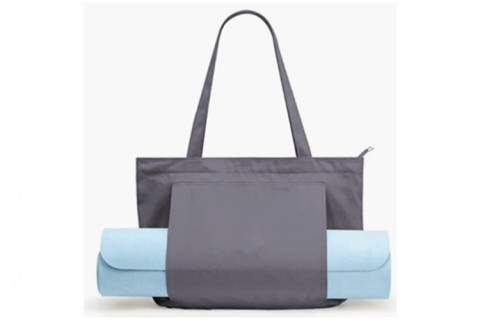
Workout equipment is often exposed to unpredictable conditions. A sudden rain shower, damp changing room, wet sportswear, or accidental water splash can affect both the bag and the belongings inside it. Waterproof or highly water-resistant fabric can therefore add practical value to a waterproof gym bag, especially for people who travel frequently or participate in outdoor activities.
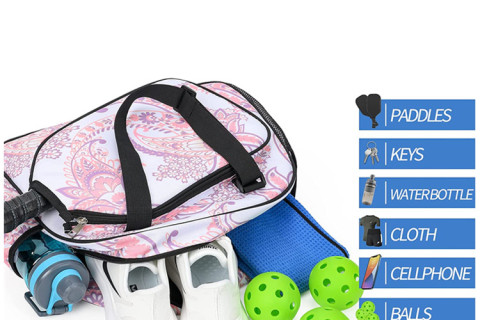
Whether people exercise before work, attend evening classes, or spend weekends outdoors, having the right equipment can make regular activity easier to maintain. A practical gym bag supports this lifestyle by helping people stay prepared for different activities and move smoothly between training and everyday responsibilities.

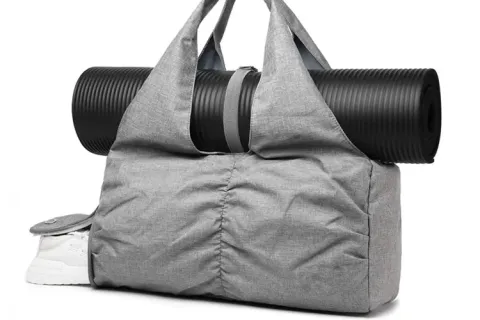
A sports gym bag does not need to be complicated to improve gym travel. The most useful features are often straightforward: comfortable carrying options, appropriate capacity, secure closures, accessible compartments, and a structure that suits the user's routine.

Choosing the right workout bag is about more than finding a design that looks good. A practical gym bag should match the user's training habits, daily schedule, and the amount of equipment they normally carry. With many styles available today, understanding the most important features can make the selection process easier and help users find a sports bag that works well for regular training.

A sports bag is used in environments where friction, moisture, weight, and frequent handling are common. For this reason, material selection has a direct influence on how long a bag can remain functional and attractive. Whether it is used for daily gym sessions, outdoor training, or travel, understanding material performance can help consumers choose a more durable gym bag.

Consistent organization can make exercise preparation feel simpler. When every item has a designated place, packing becomes a repeatable habit rather than a daily task. A practical sports gym bag therefore does more than carry equipment—it supports a more structured approach to training.

Daily training is easier when essential gear is organized, protected, and ready to carry. Whether someone visits a fitness center, runs outdoors, or attends regular sports practice, the right gym bag can make preparation more convenient. A practical sports bag should combine useful storage, comfortable carrying, durable materials, and easy maintenance without adding unnecessary weight.
A productive fishing session requires more than choosing the right rod and lure. Anglers often carry hooks, lines, reels, pliers, bait, spare accessories, and personal items, making equipment management an important part of preparation. Well-designed fishing bags provide a structured way to store these items, helping anglers maintain a clear and practical setup throughout the day.
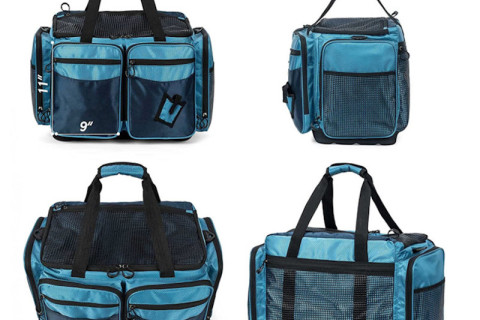
A successful fishing trip often depends on preparation as much as technique. Hooks, lures, lines, reels, pliers, bait, and personal items can quickly become difficult to manage without a practical storage system. Well-designed fishing bags give anglers a dedicated place for essential equipment, making preparation faster and reducing the chance of leaving important gear behind.
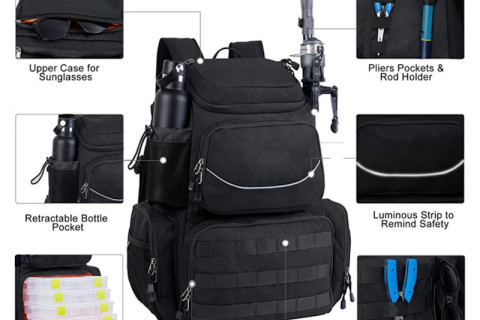
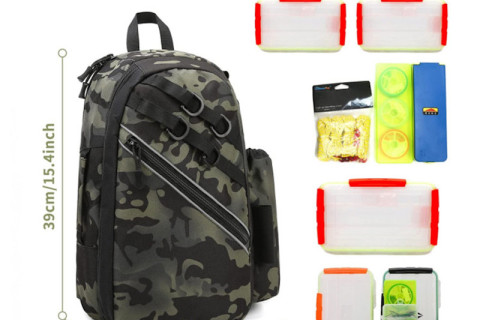
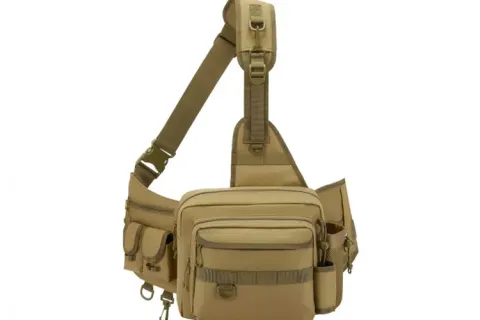
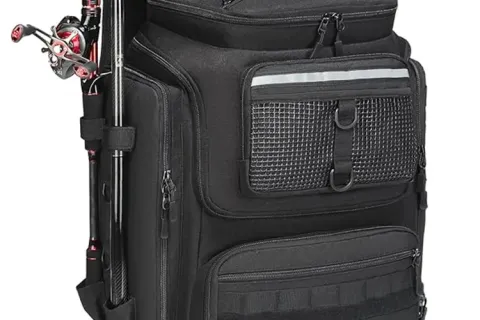
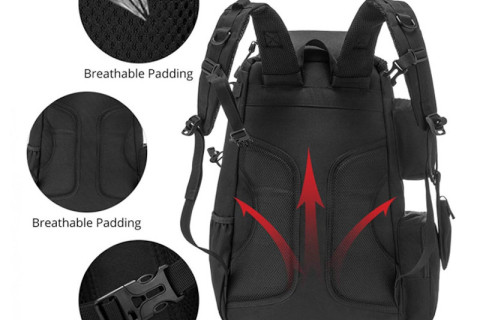
Fishing often requires anglers to move between shorelines, docks, rivers, boats, and remote fishing spots. Carrying too much equipment can quickly become tiring and limit where an angler can fish. A well-designed fishing tackle backpack offers a practical solution by combining storage capacity with a hands-free carrying system.
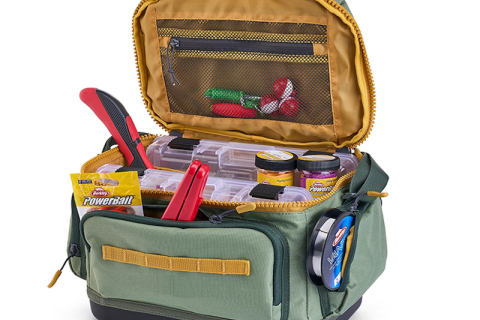
Fishing equipment can quickly take over a garage, boat, vehicle, or storage room. Rod accessories, lures, lines, hooks, tools, and spare equipment often come in different shapes and sizes, making them difficult to store efficiently. Well-designed fishing bags offer a practical solution by consolidating equipment into organized spaces while making better use of limited storage areas.