
How Can I Prevent Treble Hooks from Tangling with Other Lures Inside the Bag?
For any angler, the sound of rattling lures inside a fishing bag is often a welcome signal that you are prepared for battle. However, that pleasant rattle can quickly turn into a frustrating curse when you open your bag to find a metallic explosion of treble hooks locked in a deadly embrace. There is perhaps nothing more irritating on a good fishing day than spending precious minutes untangling a mess of treble hooks, crankbaits, and split rings.
The treble hook is a marvel of engineering for catching fish, but it is equally efficient at catching other lures. If you have ever reached into your tackle bag only to pull out a clump of intertwined hardware, you know the struggle is real. Fortunately, with the right techniques and storage solutions, you can keep your lures separated, organized, and ready to deploy at a moment's notice. Here is a comprehensive guide on how to prevent treble hooks from tangling with other lures inside your bag.
The Root Cause of the Tangle
To solve the problem, we must first understand the enemy. Treble hooks are designed with three points radiating outward. This design gives them a high percentage of hookups on striking fish, but it also means they are constantly reaching out to grab anything nearby. When you toss multiple lures with treble hooks into the same compartment, the hooks act like Velcro, grabbing onto split rings, line ties, and other hooks.
The solution begins with mindset: you cannot treat a fishing tackle bag like a junk drawer. Throwing lures in loosely is the fastest way to create a "bird's nest" of hardware. Instead, you must adopt a systematic approach to storage that isolates each lure and protects those vulnerable points.
Method 1: Utilize Hard-Sided Tackle Trays with Individual Slots
The most effective weapon against tangled treble hooks is compartmentalization. Most modern fishing tackle bag systems utilize removable hard-plastic trays with adjustable dividers. These trays allow you to create custom-sized compartments for each lure.
The One-Per-Slot Rule: The golden rule is simple: one lure, one slot. By giving each crankbait or jerkbait its own dedicated space, the treble hooks physically cannot reach neighboring lures. The hard walls of the tray act as a barrier.
Snug Fit: Ensure the compartment is snug enough that the lure doesn't slide around during transport. If the lure slides, the hooks can reach over the divider. You can use removable foam inserts to hold the lures in place if the dividers aren't tight enough.
By organizing your fishing bag with these trays, you transform a potential mess into a neatly arranged tackle showcase.
Method 2: The Magic of Silicone Hook Bonnets and Bands
Sometimes, a hard tray isn't enough, or you might be using a soft-sided storage system. This is where hook guards become your best friend. Silicone hook bonnets (often called "hook snugs") are small, flexible covers that slide over the points of your treble hooks.
How They Work: These bonnets cover the barbs, rendering the hooks harmless to other tackle. They stay on securely during transport but peel off easily when you are ready to fish.
Rubber Bands: A simple and cheap alternative is to use small rubber bands. Loop a rubber band around the body of the lure and over the points of the treble hook to cinch them down. This prevents the hook from swinging freely and snagging neighboring lures.
Perfect for Soft Bags: If you prefer the portability of a waterproof fishing bag that doesn't use rigid trays, hook bonnets are essential. They allow you to stack lures without them locking together.
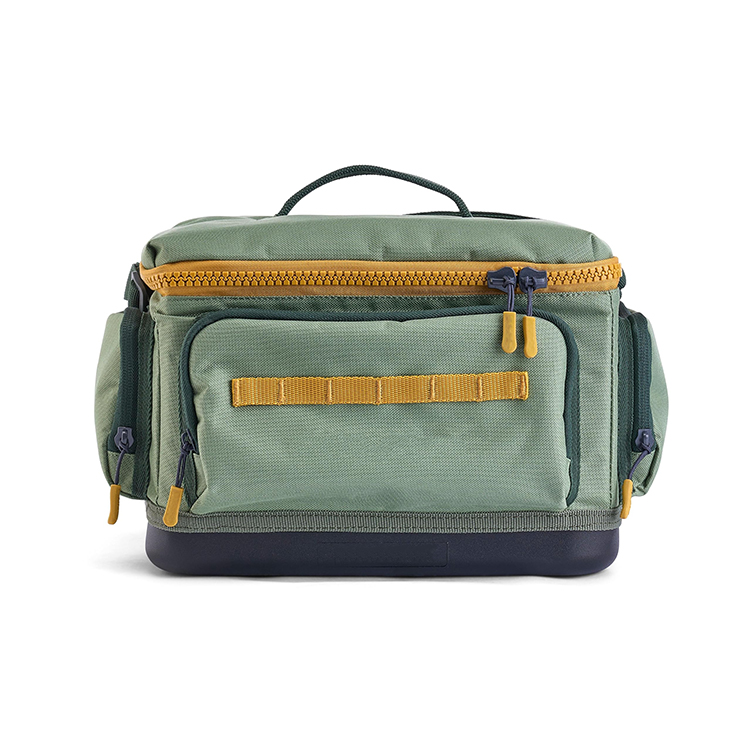
fishing bag
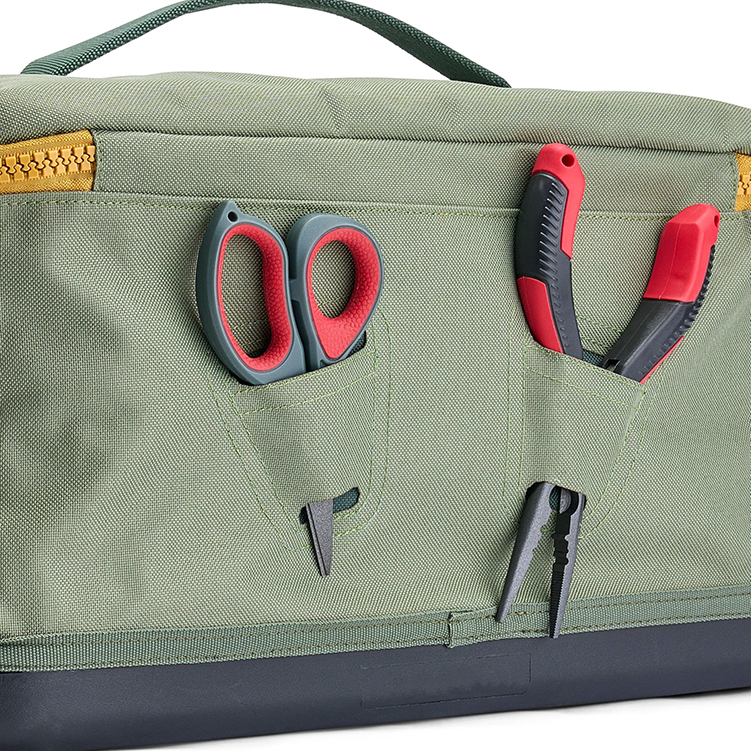
tackle bag
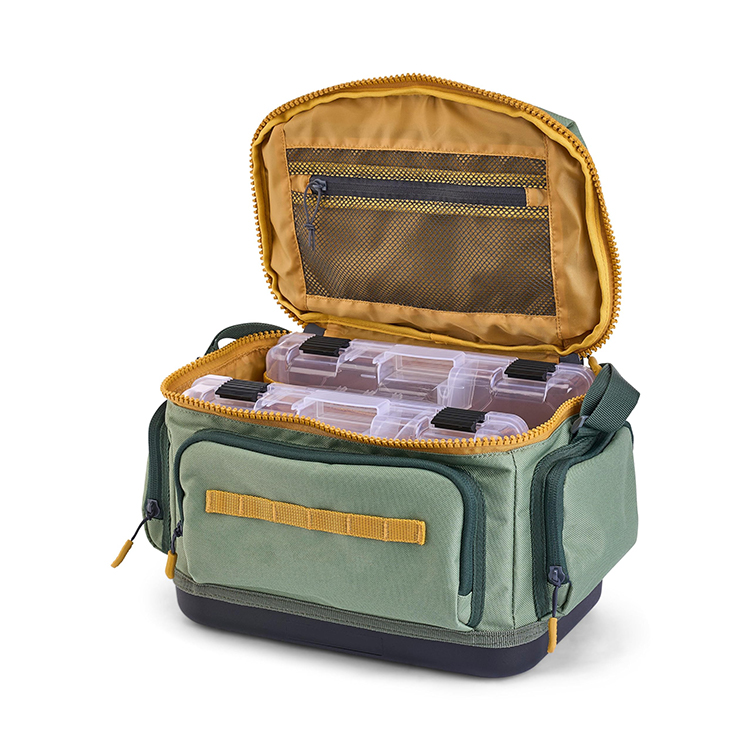
fishing tackle bag
Method 3: Magnetic Retention Systems
Innovation in the fishing industry has led to magnetic storage solutions. Some high-end waterproof fishing bag models and aftermarket inserts now feature magnetic strips sewn into the interior.
The Concept: You attach a small metal disc or a magnetized sticker to the body of your lure (or use lures with magnetic-compatible frames). The magnet in the bag holds the lure securely against the wall.
Benefits: Because the lure is held flat against a surface by magnetic force, the treble hooks hang downwards or are pressed flat, preventing them from swinging into other lures. This method is excellent for keeping lures visible and accessible.
Method 4: Dedicated Bags for Specific Lure Types
Sometimes, the best organization is separation by category. Instead of trying to fit every type of lure you own into one single compartment, consider using a secondary system. For example, a specific fly fishing gear bag is designed with long, narrow slots to protect delicate flies. While you might not store large crankbaits in a fly fishing bag, the principle applies to conventional gear.
You can dedicate one small pouch or a specific tackle bag solely for treble-hook lures. For instance:
Crankbait Binders: These are notebooks with plastic pages that have clear pockets designed to hold crankbaits. The lure slides into the pocket, and the treble hooks are contained within the clear plastic, preventing them from touching anything else.
Soft Sided Wallets: For smaller treble-hook lures, a soft-sided wallet with zippered mesh pockets can keep them separated.
By treating your fly fishing gear bag (or a similar specialty pouch) as a "quiver" for your treble-hook lures, you add a layer of protection that a standard open bin cannot provide.
Method 5: Strategic Layering with Foam or Fabric
If you are using a larger fishing bag without internal dividers, you can create your own separation using household items.
Fleece or Wool: Lining a compartment with a piece of fleece or wool can help. The hooks sink into the fabric and hold the lure in place, preventing sliding. This is a common trick used in fly fishing gear bag designs, where flies are often stuck into wool patches to dry and organize.
Foam Sheets: Cut sheets of craft foam to fit your compartments. Lay lures flat on the foam; the hooks will lightly penetrate the foam, holding each lure in its place.
Method 6: The "Split Ring" Trick
For anglers who are particularly handy, you can modify your storage technique using split rings. Instead of just tossing lures in, you can connect multiple lures together on a large split ring—like a keychain for tackle.
How it Works: Thread the split ring through the split ring or line tie of several lures. Because they are all attached at the same point, the lures hang freely. However, if they are attached at the head, the treble hooks at the back dangle away from the connection point. This keeps them from tangling with each other.
Storage: You can then hang this "lure mobile" from a hook inside your fishing bag or lay it flat, knowing the lures will move as one unit rather than tangling individually.
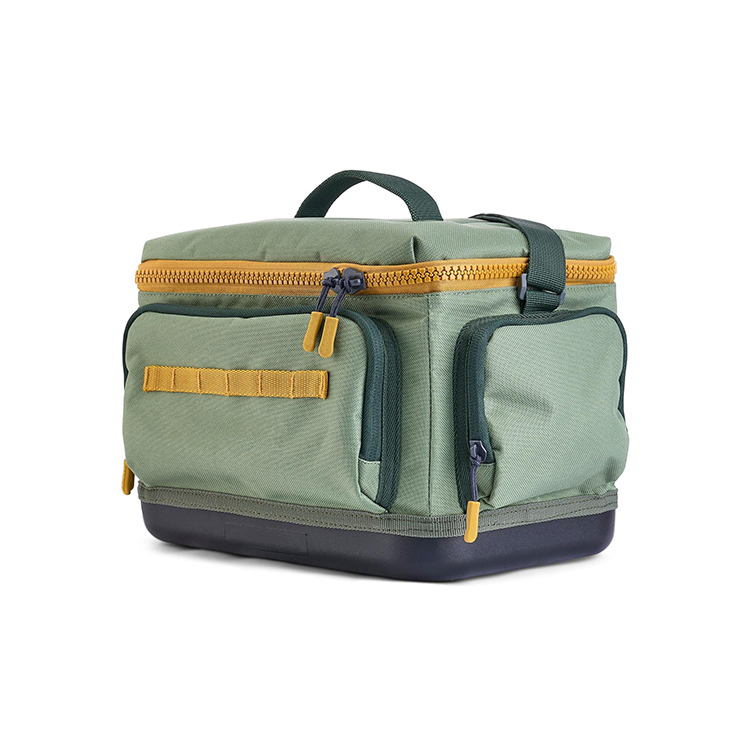
fly fishing gear bag
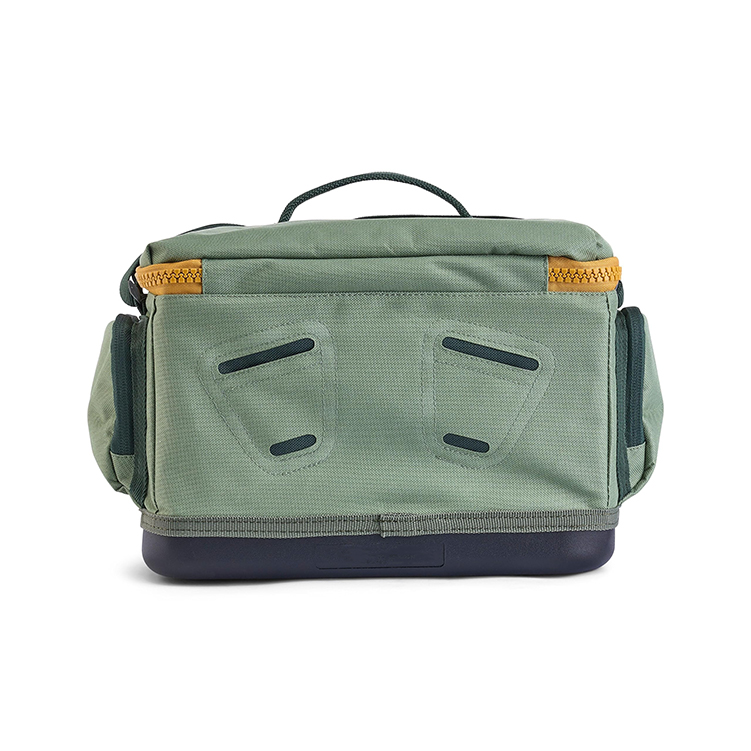
tackle bag
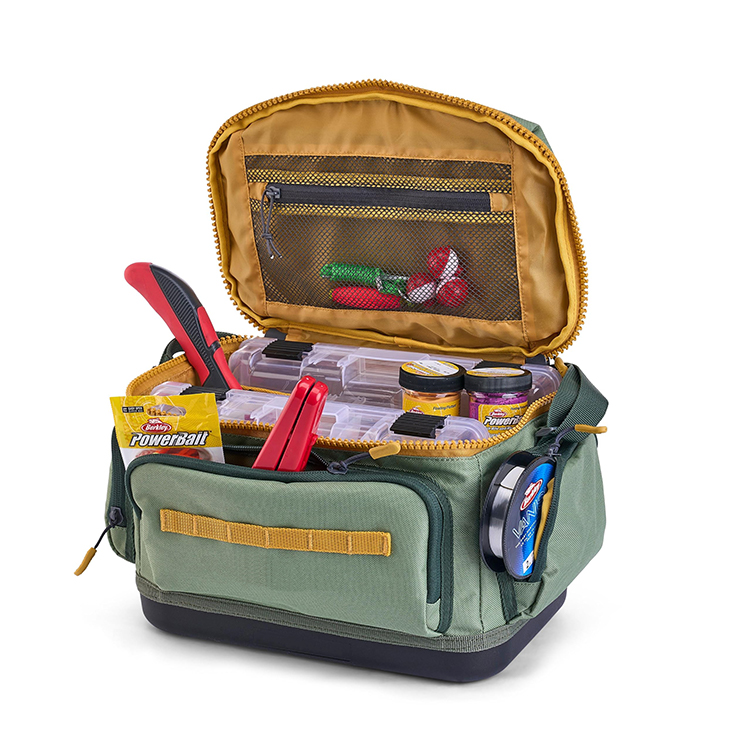
fishing tackle bag
Maintenance: The Role of a Clean Bag
Finally, an often-overlooked aspect of preventing tangles is the cleanliness of your fishing bag itself. Sand, dirt, and debris can clog the points of your hooks, making them stickier and more likely to catch on fabrics or other hooks.
Regularly empty your bag and clean out the debris. A clean interior means less friction and fewer opportunities for a hook to catch on a loose piece of line or dirt clod. If you own a waterproof fishing bag, you can often rinse it out with fresh water after a saltwater trip, ensuring that sand and salt don't build up and cause hooks to rust together.
Preventing treble hooks from tangling is a battle of inches and seconds saved. By implementing these strategies—using compartmentalized trays, employing silicone hook bonnets, utilizing magnetic systems, and keeping your fishing bag clean—you ensure that your time on the water is spent fishing, not fighting with your tackle.
Whether you prefer a rugged waterproof fishing bag for kayak adventures, a modular tackle bag for bank fishing, or a specialized fly fishing gear bag for mountain streams, the principles of separation remain the same. Invest a little time in organization before your trip, and you will reap the rewards of stress-free, efficient fishing when it matters most. Your future self, landing a trophy catch while your friends are still untangling their gear, will thank you.