
How Do Running Bags Handle Sweat and Moisture?
Sweat is an unavoidable reality for runners. Whether you are logging miles on a summer morning or pushing through an intense interval session, moisture management becomes a critical factor in comfort and performance. The right running bag does not just carry your gear—it actively works to handle the sweat your body produces and the moisture your equipment generates.
Understanding the technology and design principles behind modern running bags helps you choose a companion that keeps you dry, comfortable, and focused on the road ahead.
The Challenge of Moisture on the Run
When you run, your body produces sweat to regulate temperature. This moisture doesn't just evaporate—it saturates clothing, soaks into bags, and can even damage sensitive electronics. Traditional bags made from non-technical fabrics become heavy, uncomfortable, and odor-prone when exposed to repeated sweating.
The Moisture Problem:
Sweat-soaked bags become heavy and uncomfortable
Prolonged moisture exposure damages fabrics and hardware
Bacteria thrive in damp environments, creating unpleasant odors
Electronics risk damage from humidity and condensation
Moisture-Wicking Materials
The first line of defense against sweat is the fabric itself. Modern running bags utilize technical textiles engineered to move moisture away from the body.
Advanced Fabric Technologies:
A quality running belt bag often incorporates moisture-wicking materials that pull sweat from the skin to the fabric's surface, where it can evaporate. Some premium options feature FlashDry™ technology, which actively moves moisture to speed up evaporation . These fabrics keep you cooler and prevent that soaked-through feeling that ruins long runs.
Breathable Back Panels:
The contact points between bag and body matter most. A well-designed running bum bag features mesh panels that promote airflow, reducing sweat buildup against your lower back. Power mesh constructions, often made from nylon and elastane blends, provide both breathability and stretch for a comfortable fit .
Sweat-Resistant Construction
Beyond wicking, many bags incorporate materials that resist moisture absorption altogether.
Water-Resistant Coatings:
Some running bag models use durable water repellent (DWR) treatments on exterior surfaces. While primarily designed for rain protection, these coatings also help exterior fabrics resist sweat saturation from the inside out.
Waterproof Compartments:
For electronics and valuables, dedicated waterproof compartments provide an extra layer of protection. These pockets often feature water-resistant zippers and sealed seams that prevent sweat from reaching your phone or keys, even when the bag itself is damp .
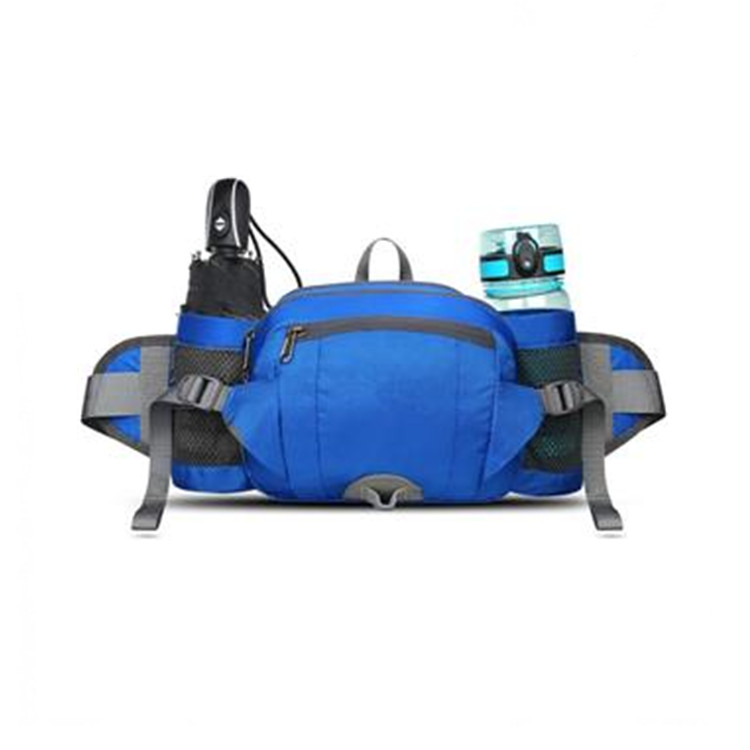
running bag
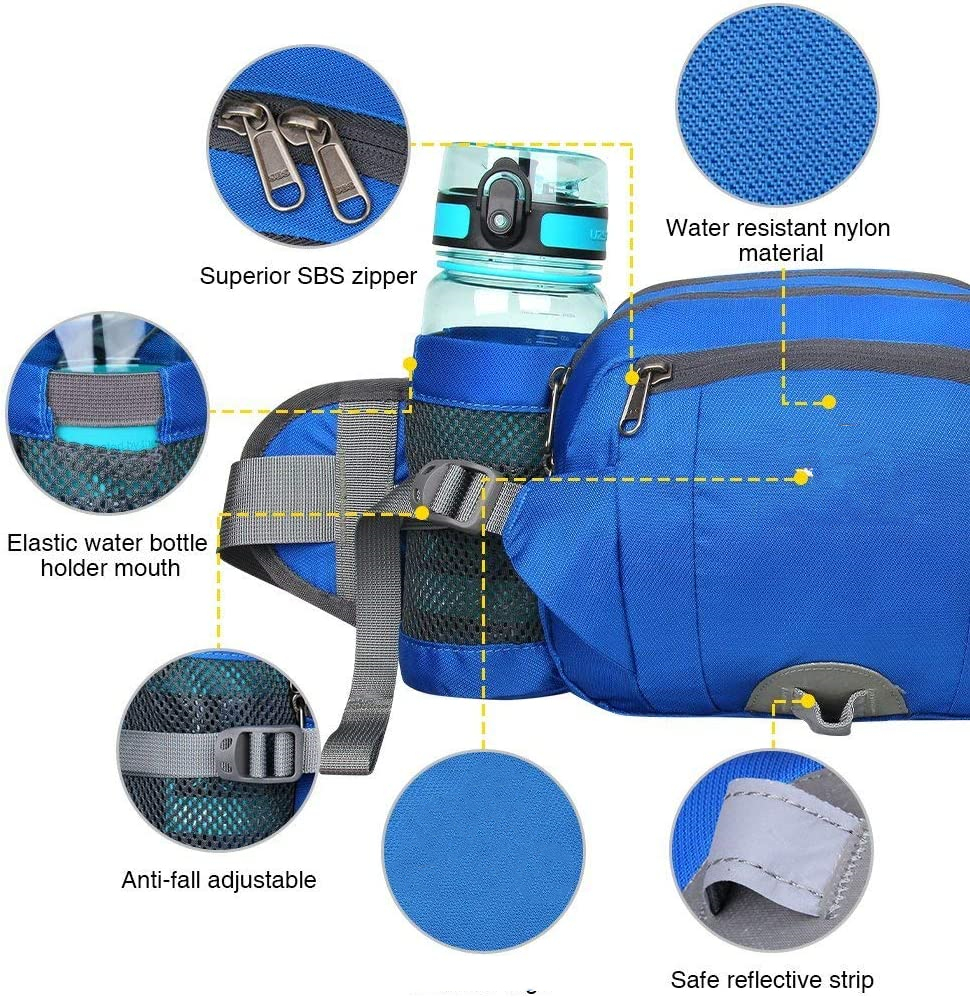
running belt bag
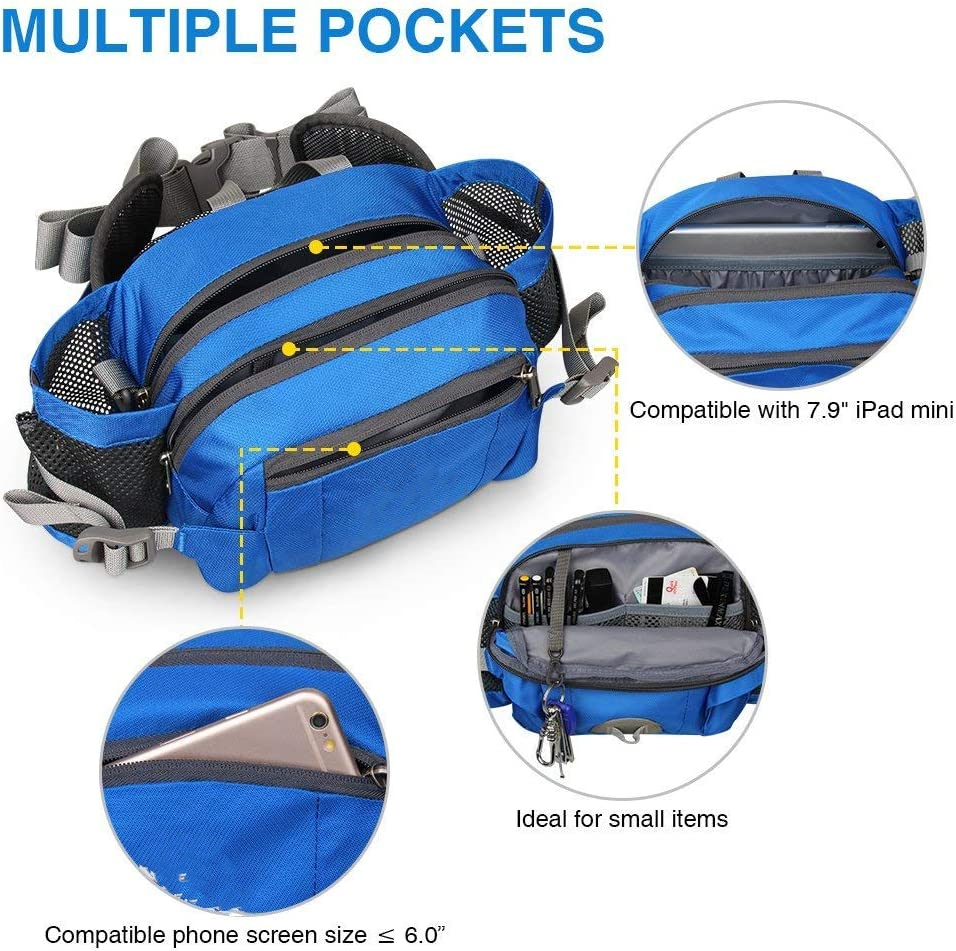
running chest pack
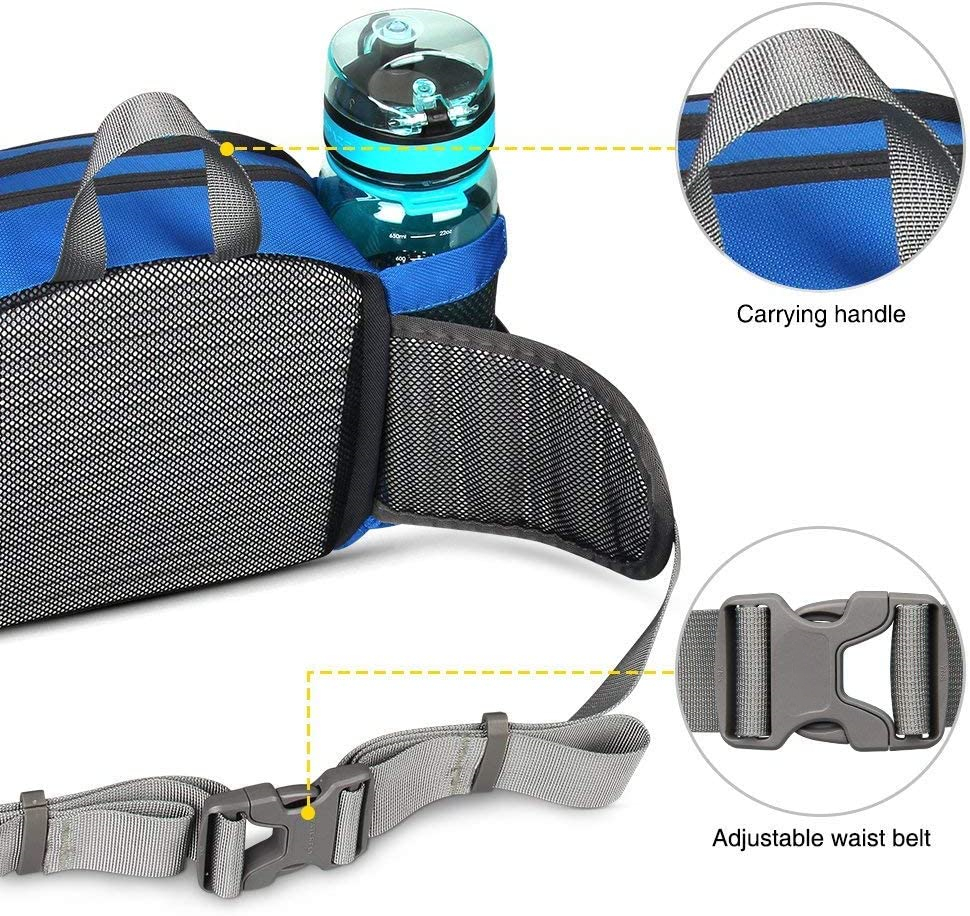
running bum bag
Quick-Drying Design Philosophy
A bag that dries quickly between runs is essential for daily trainers. Designers achieve this through material selection and construction choices.
Mesh and Perforation:
The running chest pack frequently utilizes perforated materials that allow air circulation. This design speeds drying time and prevents the sour smell that comes from slow-drying fabrics.
Stretch Woven Fabrics:
High-performance blends of nylon and elastane offer the perfect balance of stretch and quick-drying properties. These materials resist water absorption while maintaining the flexibility needed for a secure fit .
Odor Control Technologies
Sweat doesn't just feel unpleasant—it creates an environment where odor-causing bacteria thrive. Advanced running bags now incorporate antimicrobial treatments.
Permanent Odor Control:
Some premium options feature Polygiene® technology, a permanent odor control treatment that prevents the growth of bacteria on fabric surfaces . This keeps your running waist bag fresher for longer, even after repeated sweaty runs.
Removable and Washable Components:
Many bags feature removable liners or washable components. Being able to clean sweat-absorbing parts extends the life of your bag and maintains hygiene.
Moisture Management Features
Smart design features specifically address sweat and moisture challenges.
Ventilated Channels:
Some running bags incorporate air channels or padded mesh panels that create space between the bag and your body. This airflow reduces sweat accumulation at contact points.
Strategic Padding Placement:
A running belt bag designed for moisture management places padding only where needed, using open mesh elsewhere to maximize breathability. This targeted approach keeps the bag comfortable without trapping heat.
Sweat-Proof Electronics Protection
Your phone is likely your most valuable carried item. Protecting it from sweat requires specific design considerations.
Separate Electronics Compartments:
Quality bags feature dedicated phone pockets positioned away from sweat-prone areas. Some use sweat-proof materials that create a barrier between your damp body and sensitive electronics.
Headphone Ports:
Many running bum bag designs include headphone ports that allow you to listen to music without fully opening compartments. This reduces the chance of sweat entering storage areas during access .

running belt bag
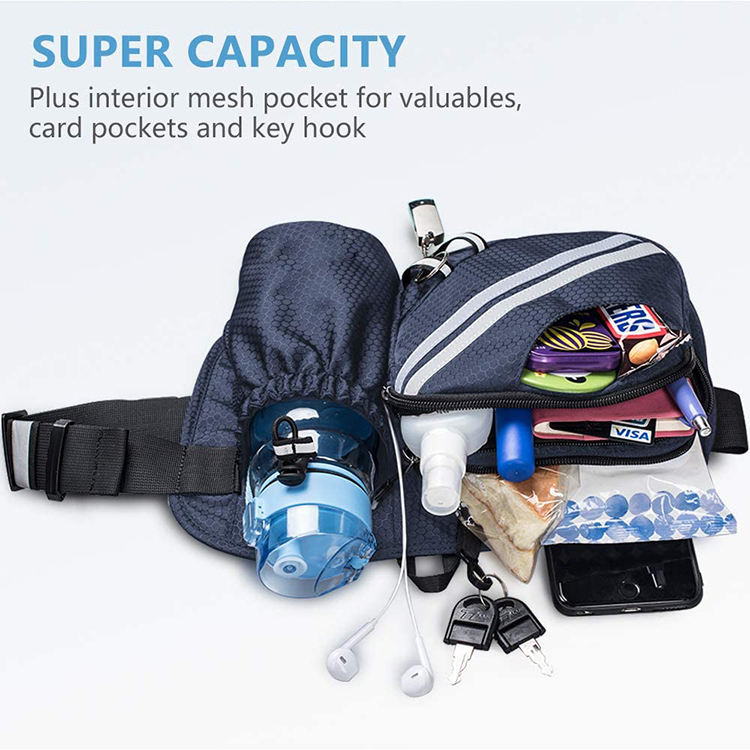
running bum bag
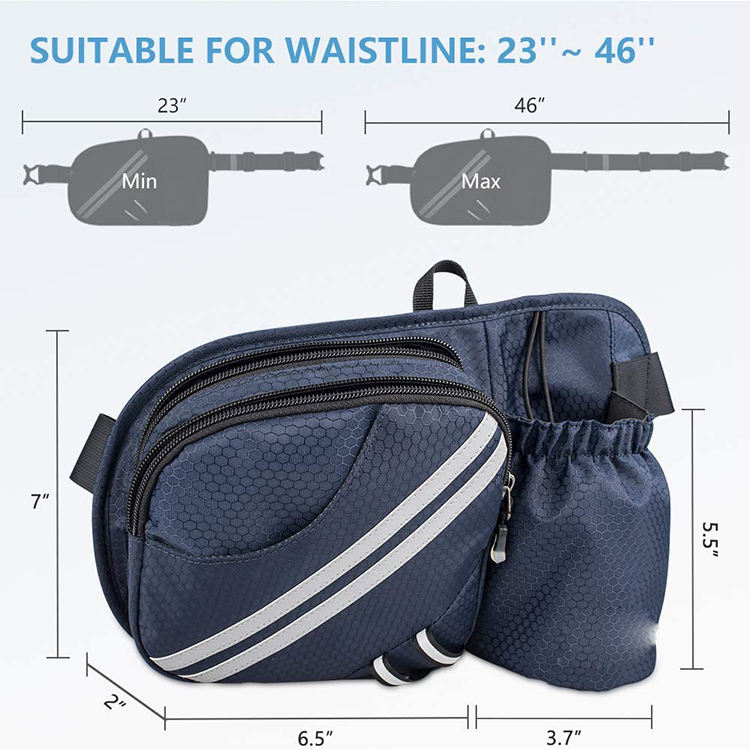
running waist bag
Real-World Testing
How do you know if a running bag truly handles moisture? Look for these indicators:
Technical Fabric Specifications: Brands that specify moisture-wicking or quick-drying materials invest in performance
Mesh Backing: Visible mesh on body-contact surfaces indicates breathability focus
Waterproof Zippers: Coated or sealed zippers on electronics pockets show attention to moisture protection
Weight: Lightweight bags typically use technical materials that resist water absorption
Maintenance for Moisture Management
Even the best moisture-handling bag requires proper care to maintain performance.
Drying After Runs:
Always open all compartments and allow your running chest pack to air dry completely between uses. This simple habit prevents bacterial growth and extends fabric life.
Gentle Cleaning:
When washing is necessary, use technical fabric cleaners that won't strip moisture-wicking treatments. Avoid fabric softeners, which clog the pores of performance fabrics.
Storage Considerations:
Store your running waist bag in a dry, well-ventilated area. Never leave a damp bag in a gym bag or car trunk, where moisture can lead to mildew.
Sweat doesn't have to ruin your run or your gear. Modern running bags incorporate sophisticated technologies to handle moisture from every angle—wicking it away from your body, protecting your electronics, and drying quickly for the next session.
Whether you choose a minimalist running belt bag for short sessions, a classic running bum bag for daily training, or a comprehensive running chest pack for long adventures, prioritize moisture management features. Your comfort depends on it.
The right running bag becomes a partner in your performance, not a source of discomfort. And when sweat inevitably flows, that running waist bag will be working just as hard as you are to keep you moving forward