
How Do Waterproof Bicycle Bags Prevent Water Leakage?
Cycling through rainy streets, muddy trails, or unpredictable weather can expose personal belongings to moisture. For commuters and outdoor enthusiasts, keeping phones, clothing, tools, and other essentials dry is an important part of a comfortable ride. Modern waterproof bicycle bags use specialized designs to reduce water penetration and protect stored equipment. However, their actual performance depends on more than the outer fabric. Material selection, construction details, closure systems, and proper maintenance all contribute to effective waterproof protection.
Advanced Materials Help Block Moisture
The fabric is the first protective layer of waterproof bicycle bags. Common materials include TPU-coated polyester, PVC-coated fabrics, and laminated nylon. These materials provide a barrier against rainwater while offering different levels of flexibility, durability, and abrasion resistance.
When selecting a waterproof bike bag, buyers should consider both fabric thickness and coating quality. Thicker material is not always better, because excessive weight may reduce carrying convenience. The ideal material should balance waterproof performance with flexibility and long-term durability.
Reinforced Construction Prevents Hidden Leakage
Water can enter through small gaps even when the main fabric is waterproof. Areas around corners, attachment points, and bottom panels deserve particular attention.
Some waterproof bicycle bags use welded construction to join fabric panels without relying entirely on traditional stitching. This reduces potential water-entry points and creates stronger connections.
For larger waterproof bike panniers, reinforced bottom sections are especially useful because these areas may experience friction, road spray, and contact with other equipment. Buyers should inspect these structural details rather than focusing only on the appearance of the bag.
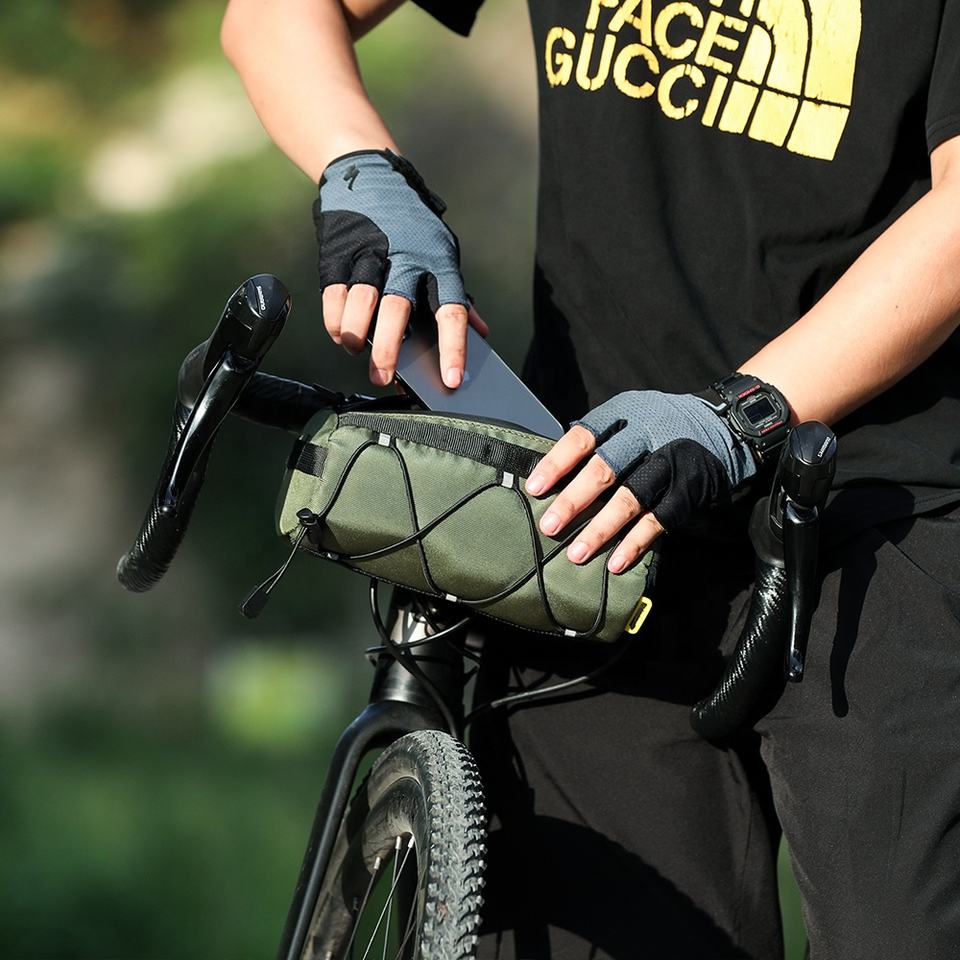
waterproof bike bag
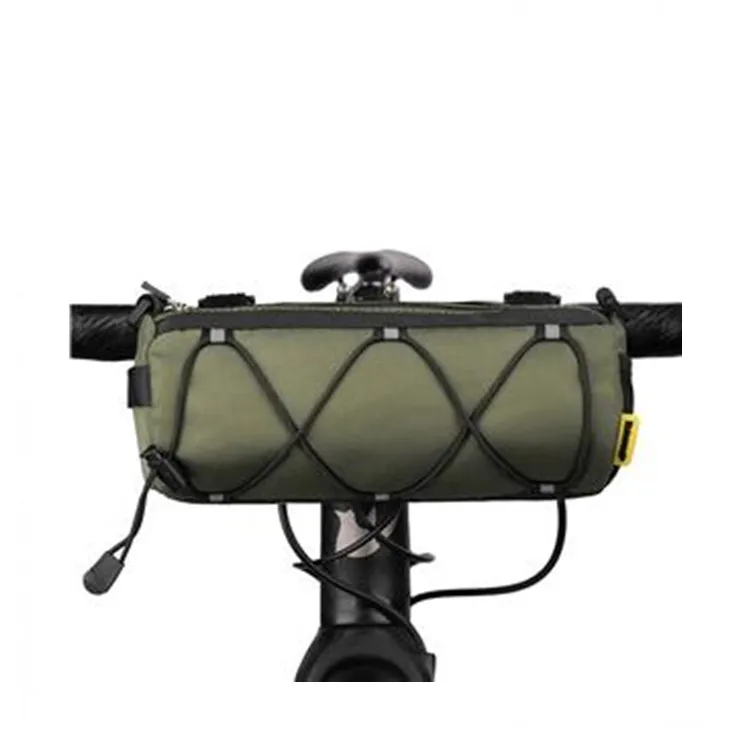
waterproof bicycle bags
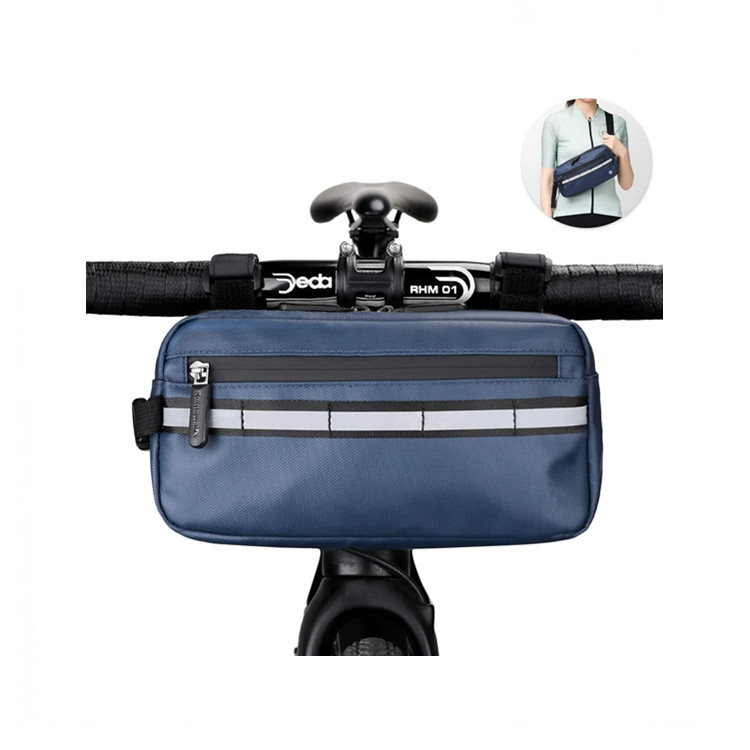
waterproof handlebar bag
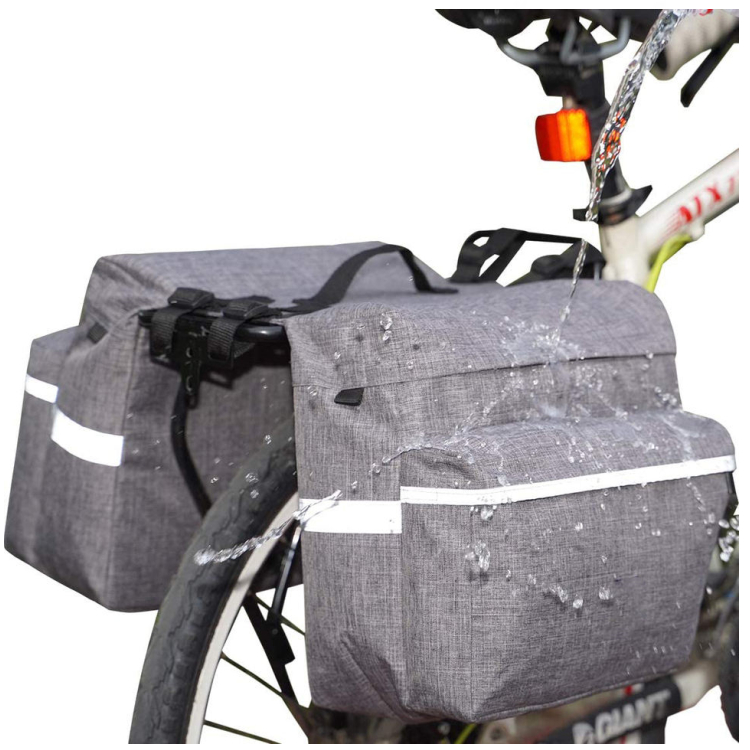
waterproof bike panniers
Smart Closure Systems Keep Rainwater Out
The opening is often one of the most vulnerable parts of a cycling bag. Different closure systems provide different levels of protection.
Roll-top designs are widely used because the opening can be folded several times and secured with buckles. This creates a protective barrier while allowing flexible adjustment according to the amount of stored equipment.
A waterproof handlebar bag with a properly secured roll-top closure can help protect frequently used accessories during wet rides. Similarly, a waterproof bike rack bag should have secure fastening points and a closure that remains firmly shut when the bicycle moves over uneven surfaces.
Proper Installation Reduces Water Exposure
Even well-designed waterproof bicycle bags may perform poorly if installed incorrectly. Bag positioning affects exposure to direct rainfall, tire splashes, and water running along the bicycle frame.
A waterproof bike rack bag should be attached firmly to the rear rack, with sufficient clearance from the wheels. Riders should also avoid overloading the bag, as excessive pressure can distort its shape and place additional stress on closure components.
For touring cyclists, waterproof bike panniers should be mounted evenly to maintain balance and prevent unnecessary movement. Correct installation helps protect both the equipment and its contents.
Regular Inspection Maintains Waterproof Performance
Waterproof protection requires ongoing care. Repeated folding, friction, UV exposure, and improper cleaning can gradually affect fabric coatings and closure components.
After each wet ride, allow waterproof bicycle bags to dry completely before storing them. Check for damaged buckles, worn coatings, and loose attachment straps. Clean dirt using suitable products rather than aggressive chemicals that may damage protective surfaces.
A simple controlled water-spray test can help identify visible leakage, although it cannot replace standardized waterproof testing. Before purchasing a waterproof bike bag, buyers should review available test specifications and understand the protection level being offered.
Effective water protection comes from combining suitable materials, reliable construction, secure closures, and proper use. Whether choosing waterproof bike panniers, a waterproof handlebar bag, or a waterproof bike rack bag, cyclists should evaluate the complete design rather than relying on a waterproof label alone. These considerations help protect valuable belongings and support more dependable cycling experiences in changing weather conditions.
YOUKBAG has been a leading bag manufacturer since 2003, producing 200,000 bags monthly in a 10,000+ sqm facility with 200 skilled workers. We offer OEM & ODM services, supported by an expert R&D team and strict QC. Specializing in daily, outdoor, waterproof, hunting, fishing, and cooler bags, we are BSCI and ISO9001 certified. Trusted by top brands like Walmart, Target, TJX, TESCO, FILA, and more. Mission: "People-oriented, client-focused, and cooperative for mutual growth."