2026-02-26 20:00
A successful day on the water often leaves anglers with a trophy catch and lasting memories. However, it also frequently leaves your gear in a sorry state. Fish slime, scales, river mud, and saltwater residue are inevitable enemies of your equipment. If you have ever wondered, "How do I clean the fishing bag if it gets dirty with fish slime or mud?" you are not alone. Proper maintenance is essential not just for aesthetics, but for the longevity of your gear.
Neglecting to clean your tackle bag can lead to foul odors, corrosion of zippers, and the growth of mold and mildew. Whether you own a simple shoulder bag or a high-capacity fishing tackle bag, the cleaning process requires a gentle touch and the right technique to avoid damaging the materials.
The best time to start cleaning is before you even leave the riverbank. If your portable fishing bag has been splattered with mud, allow the mud to dry completely, then brush off the dry chunks with a stiff brush or your hand. This prevents you from grinding grit into the fabric fibers during the washing process.
For fish slime, if you have access to fresh water at the launch site, give the bag a quick rinse. This removes the bulk of the organic matter before it has a chance to bake into the fabric in the hot car.
Once you are home, it is time for a thorough wash. Start by removing all tackle, trays, and accessories from your fishing tackle bag. Check all the pockets for leftover bait, used hooks, or trash. Shake the bag out upside down to remove loose debris, like sand and dried scales.
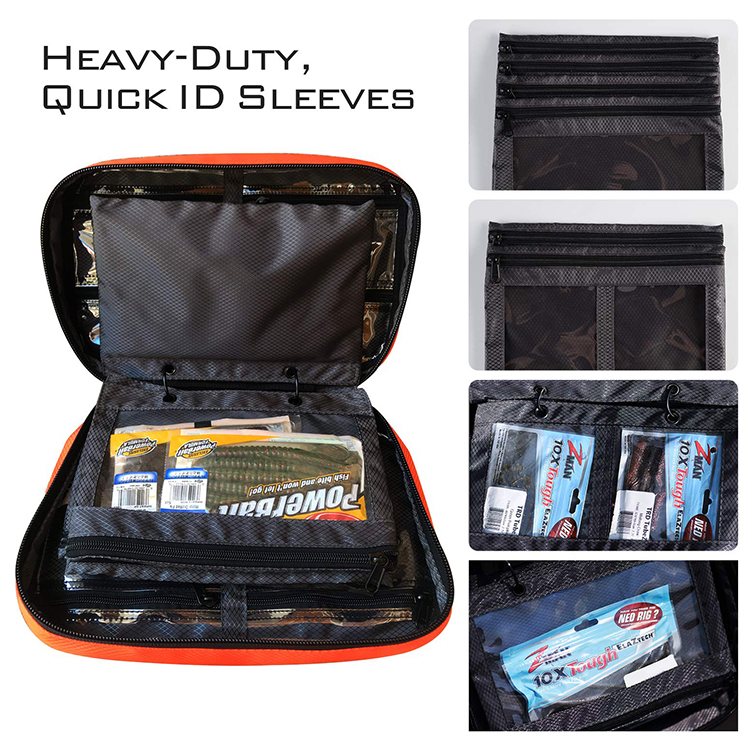
fishing bag
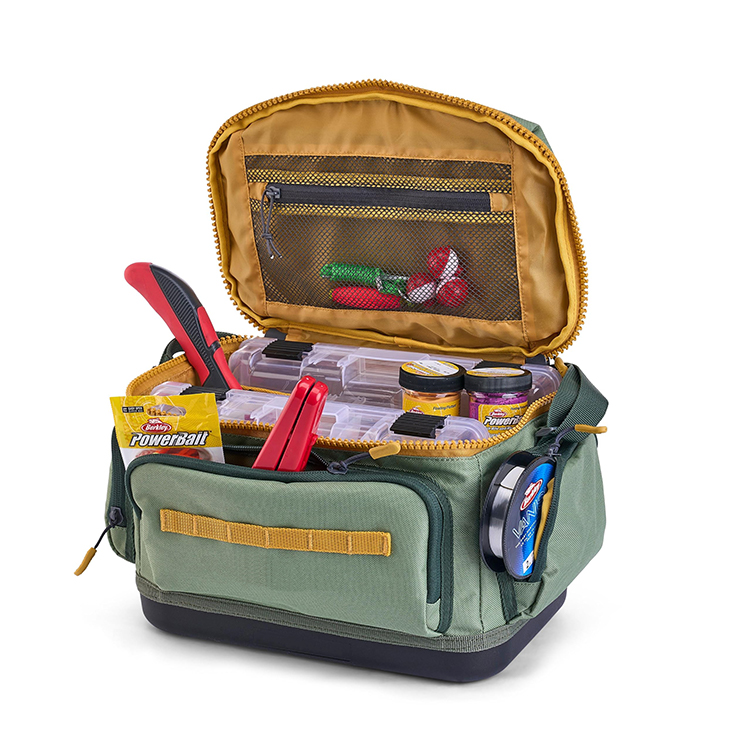
tackle bag
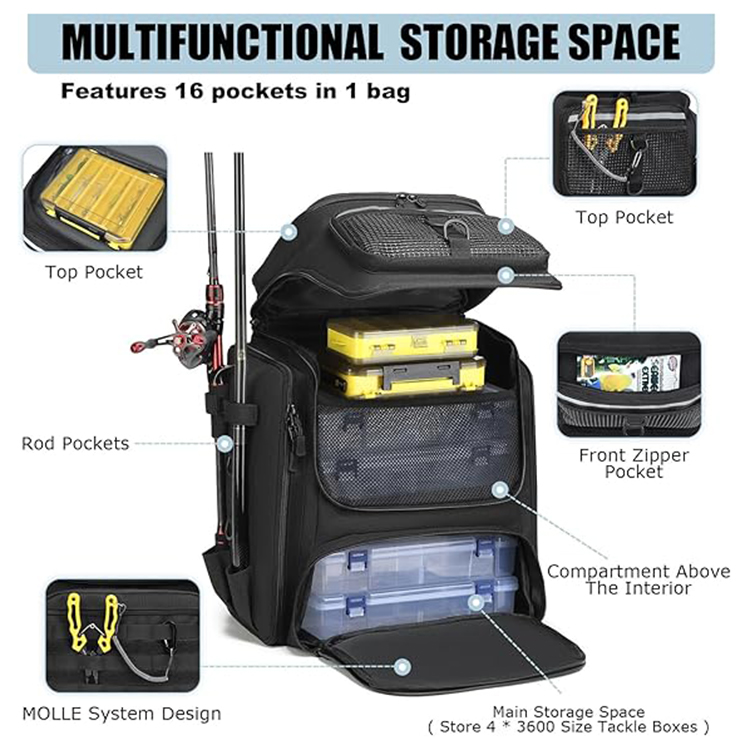
fishing tackle bag
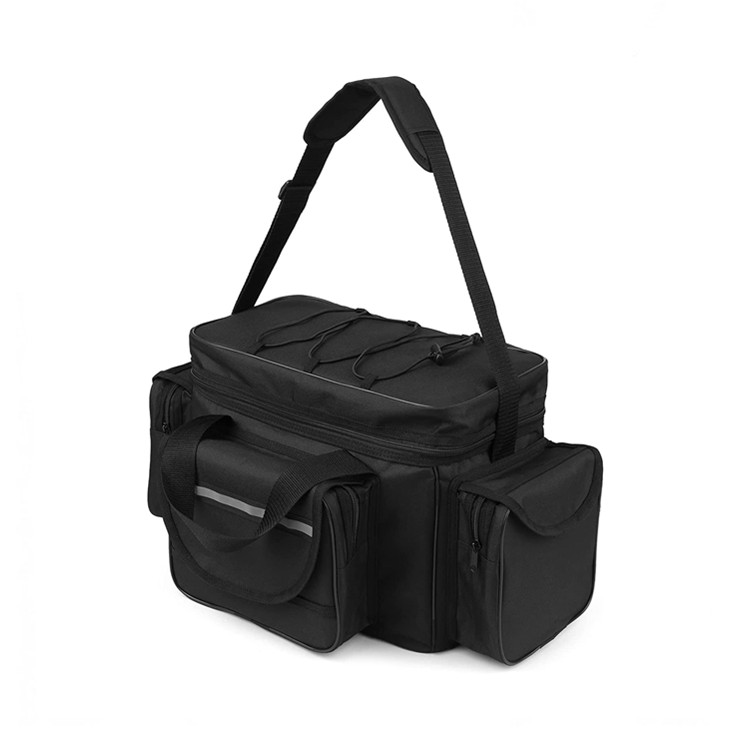
portable fishing bag
For most fabric bags, fill a sink or bucket with cool water and add a tiny drop of mild dish soap or a technical gear cleaner (like Nikwax Tech Wash). Harsh detergents can damage water-resistant coatings.
Dip a soft brush or cloth into the soapy water.
Gently scrub the exterior and interior, focusing on areas with visible slime or mud stains. For a waterproof fishing bag, pay special attention to the seams and corners where grime accumulates.
Avoid soaking the bag unless the manufacturer specifies it is safe. Excessive water can damage foam padding or delaminate waterproof layers.
After scrubbing, it is crucial to remove all soap residue. Use a damp cloth with clean water to wipe down all surfaces repeatedly until no suds remain.
To combat the stubborn smell of fish slime, create a natural deodorizer. Mix a solution of white vinegar and water (1:3 ratio) and lightly spray the interior. Vinegar is excellent at neutralizing organic odors without leaving a harsh chemical smell. Wipe this solution off with a clean, damp cloth.
Proper drying is perhaps the most critical step. Moisture left inside a portable fishing bag is a recipe for mildew.
Air Dry Only: Never put your bag in a dryer. The heat can melt coatings and warp plastic supports.
Open It Up: Unzip all compartments and pockets. If the bag has a rigid structure, leave it open to its fullest extent.
Hang or Invert: Hang the bag upside down in a well-ventilated area, out of direct sunlight (which can fade colors). You can also use a fan to circulate air through the openings.
Patience: Ensure the bag is 100% dry inside and out before you reinsert your tackle and store it away. This might take 24 to 48 hours.
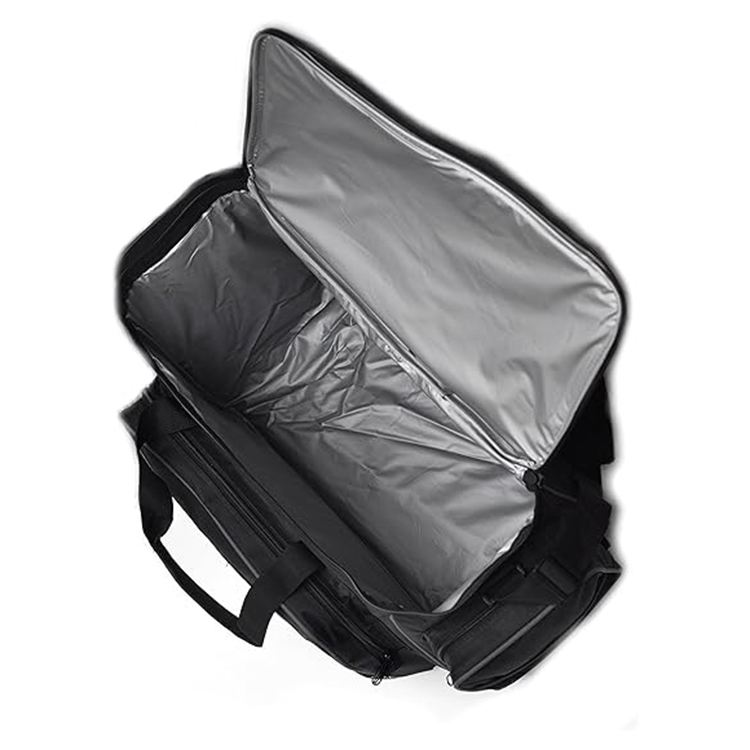
waterproof fishing bag
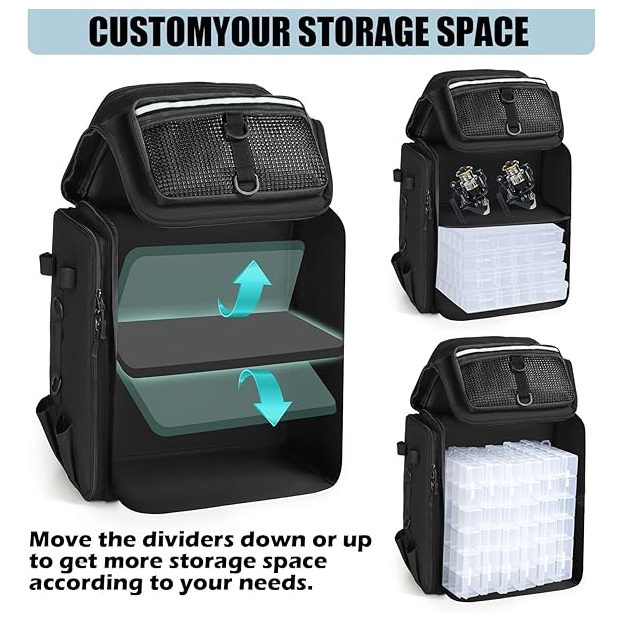
fishing bag
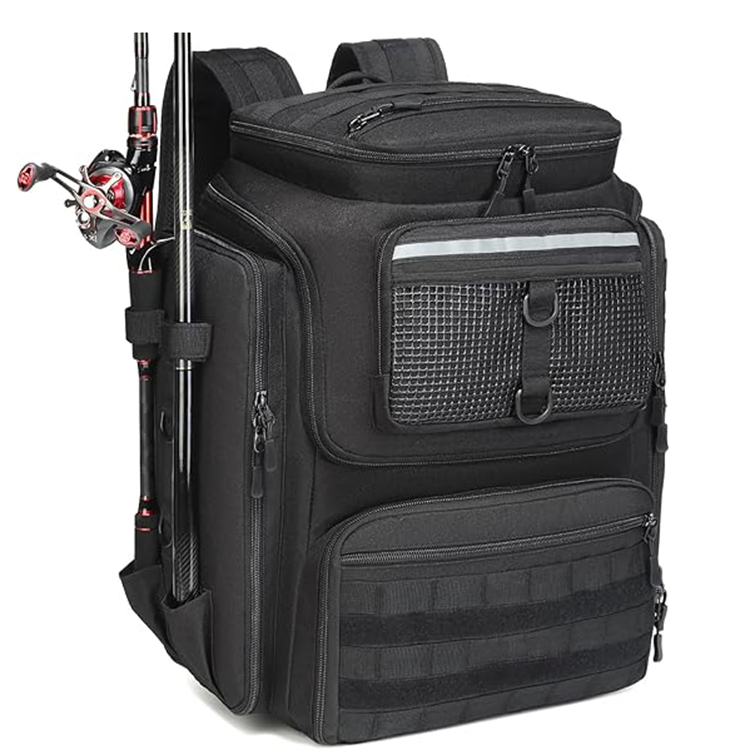
fishing tackle bag
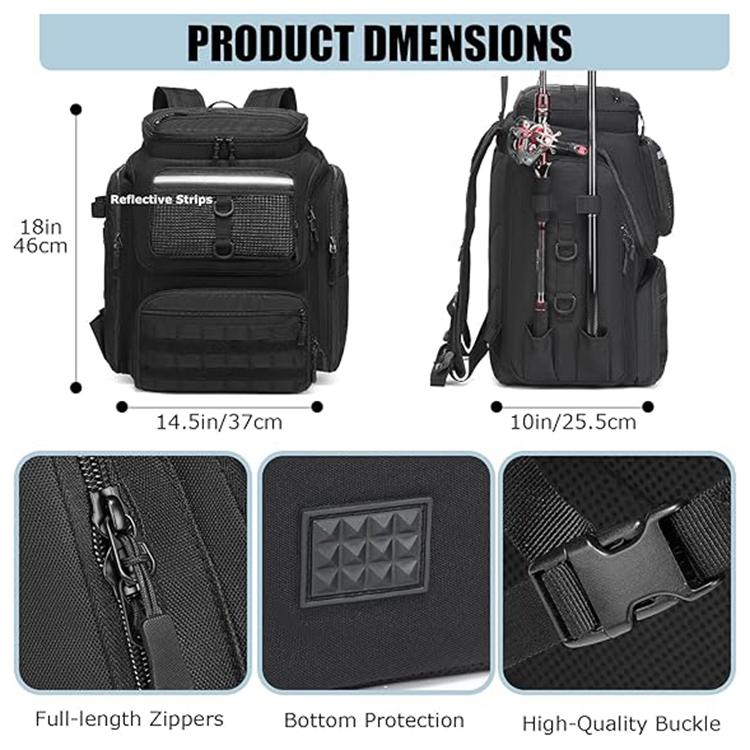
waterproof fishing bag
If you own a waterproof fishing bag, the stakes are higher. These bags often use waterproof membranes, taped seams, and roll-top closures. Aggressive scrubbing can damage the tape.
Rinse, Don't Scrub: Rinse the bag thoroughly with fresh water, especially if it has been in saltwater.
Check the Seal: Clean the roll-top closure or waterproof zipper with a soft cloth to remove sand that could compromise the seal.
Condition Zippers: If your bag uses water-resistant zippers (like TIZIP), consider lubricating them with a specialized zipper wax or conditioner after cleaning to keep them operating smoothly.
Keeping your gear clean ensures it is ready for the next adventure. By learning how to properly clean your fishing bag, you protect your investment and ensure that unpleasant smells don't transfer to your vehicle or home. Whether you use a rugged tackle bag for kayak fishing or a lightweight portable fishing bag for bank fishing, a simple post-trip routine of rinsing, gentle washing, and thorough drying will keep your fishing tackle bag performing at its best for years to come. Treat your gear well, and it will serve you well on every cast.