
How Do Waterproof Bicycle Bags Resist Daily Wear?
Cycling equipment faces constant environmental and physical challenges. Rain, dust, road vibrations, friction, and frequent loading can gradually affect the performance of bicycle storage products. To meet these demands, modern waterproof bicycle bags combine protective materials with thoughtful construction. Their durability depends not only on keeping water out but also on maintaining structural strength through repeated everyday use.
Advanced Fabric Technology Improves Durability
The outer material plays an important role in determining how long a bag can withstand daily wear. TPU-coated polyester, nylon, and other technical fabrics are widely used because they offer flexibility, abrasion resistance, and moisture protection.
A quality waterproof bike bag should resist surface scratches caused by contact with bicycle components, clothing, and outdoor equipment. Fabric thickness, coating consistency, and tear resistance all influence long-term performance.
For regular commuters, waterproof bicycle bags made with reinforced materials can provide more dependable storage without adding unnecessary weight. Choosing the right fabric also helps maintain the bag's appearance after repeated outdoor exposure.
Sealed Construction Prevents Water Ingress
Rainwater can enter through seams, zipper openings, and attachment points if these areas are not properly protected. Manufacturers commonly use welded seams, waterproof zippers, and roll-top closures to reduce potential leakage.
These details are particularly important for waterproof bike panniers, which are often exposed to road spray and changing weather conditions. A reliable closure system helps protect clothing, electronic accessories, and travel essentials.
When comparing waterproof bicycle bags, buyers should examine the complete construction rather than judging waterproof performance by fabric appearance alone. Water-resistance ratings and testing conditions can provide useful reference points.
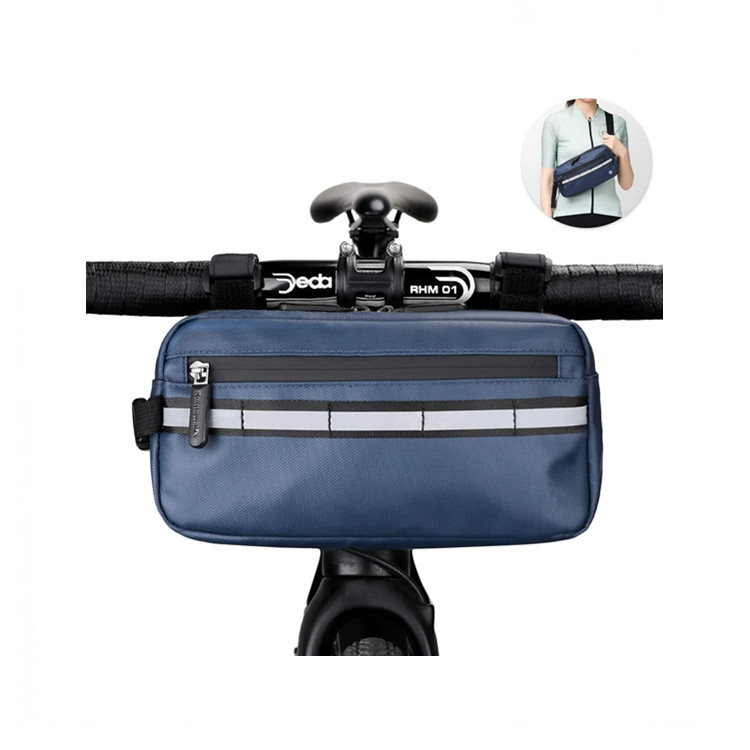
waterproof bike bag
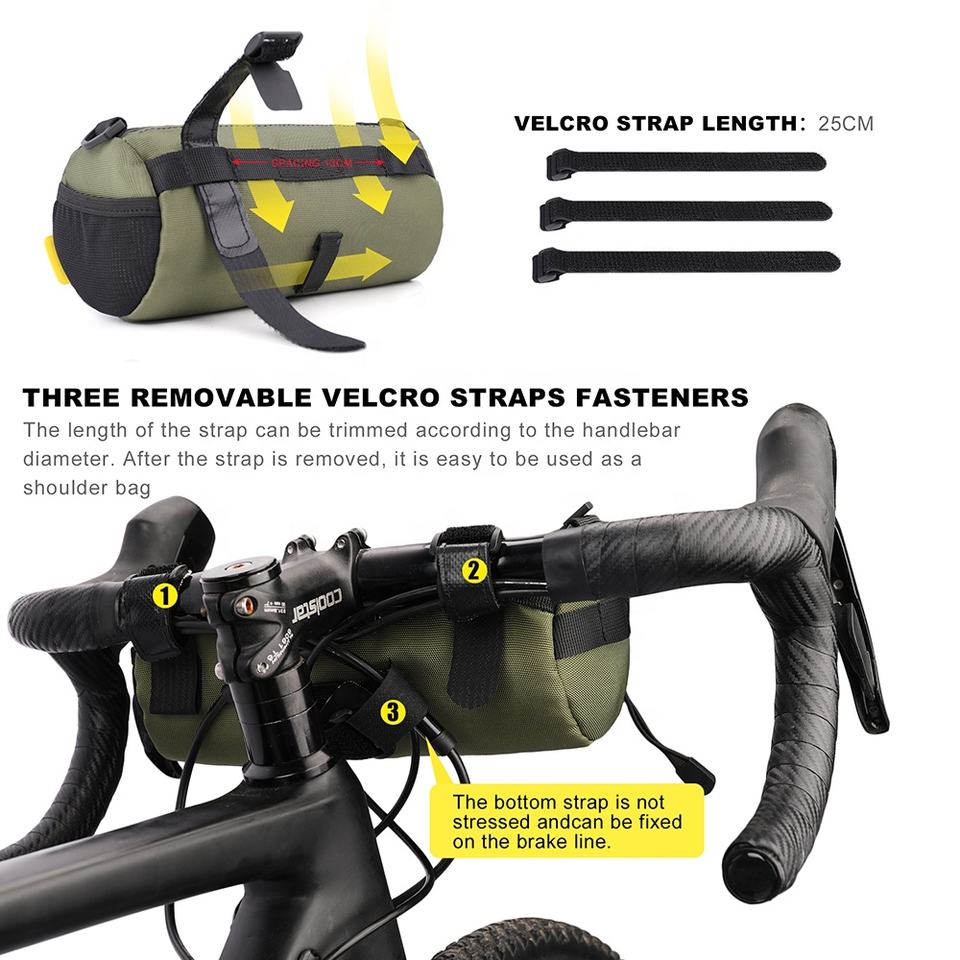
waterproof handlebar bag
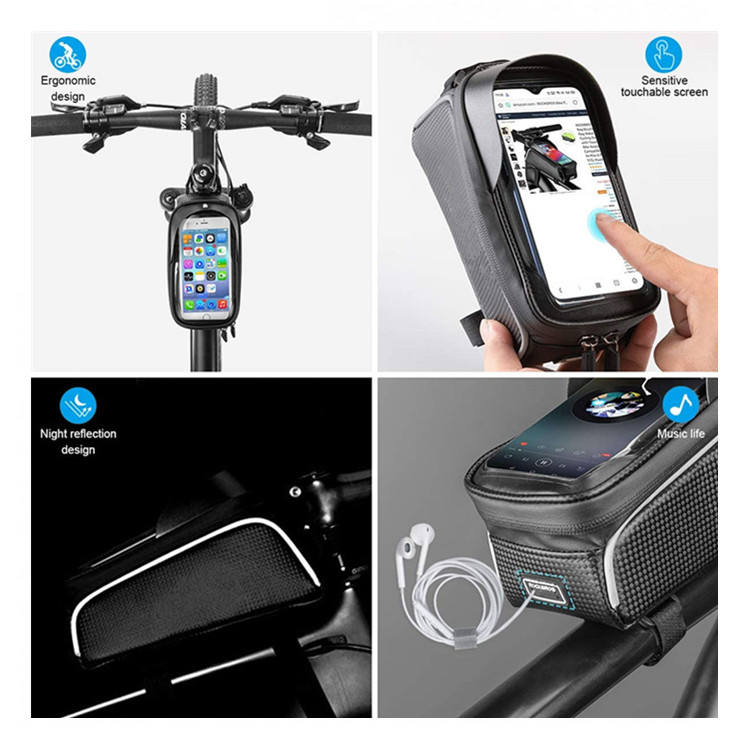
waterproof bike rack bag
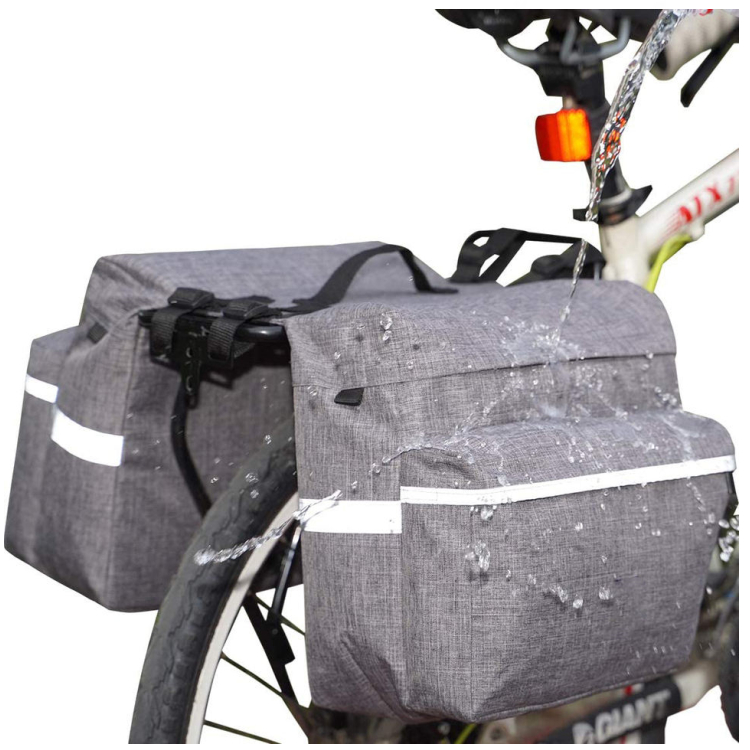
waterproof bike panniers
Reinforced Contact Areas Minimize Friction
Daily cycling creates repeated friction between bags, bicycle frames, racks, and mounting hardware. Without adequate reinforcement, these contact areas may develop scratches, loose stitching, or damaged fabric.
A well-designed waterproof bike rack bag should feature a reinforced base and stable attachment system. These elements help distribute weight and reduce unnecessary movement when riding over uneven roads.
Likewise, waterproof bicycle bags intended for frequent commuting benefit from reinforced corners and durable fastening components. Such details help prevent localized damage and maintain reliable performance over time.
Functional Designs Protect Different Storage Areas
Different riding styles require different storage solutions. A waterproof handlebar bag provides convenient access to frequently used items, such as phones, maps, keys, and snacks. Its mounting system should remain secure while allowing comfortable steering.
For longer journeys, waterproof bike panniers offer additional capacity for clothing, food, and camping supplies. Balanced weight distribution and strong attachment hooks are essential for maintaining riding stability.
A waterproof bike rack bag is another practical option for commuters and recreational cyclists who need organized rear storage. Meanwhile, a compact waterproof bike bag can accommodate smaller essentials without occupying excessive bicycle space.
Choosing suitable waterproof bicycle bags means considering both storage capacity and the physical demands of each riding position.
Regular Care Helps Prevent Premature Aging
Even high-quality waterproof bicycle bags need proper maintenance. After riding in wet or muddy conditions, remove dirt with a soft cloth and mild cleaning solution. Allow the bag to dry completely before placing it in long-term storage.
Avoid harsh detergents, abrasive brushes, and excessive heat, as these may affect protective coatings. Regularly inspect buckles, straps, seams, and mounting hardware to identify early signs of damage.
For a waterproof bike bag, checking the closure system is especially important because worn seals or damaged zippers may reduce moisture protection.
What Makes a Bicycle Bag a Reliable Long-Term Choice?
Durability comes from the combination of material strength, waterproof construction, reinforced contact areas, and practical design. Whether selecting waterproof bike panniers, a waterproof bike rack bag, cyclists should evaluate how each product performs under their actual riding conditions.
The most suitable waterproof bicycle bags are not simply those with the thickest fabric. They are products that balance weather protection, abrasion resistance, carrying capacity, and ease of maintenance. By examining these factors before purchasing, cyclists can make more informed decisions and enjoy dependable storage throughout everyday rides and longer adventures.